ArticleCusco, Peru9 min read
Altitude Sickness in the Andes: A Practical Guide
What actually works, from a guide who has seen it all
Average rating 3.5 out of 5
3.52 reviews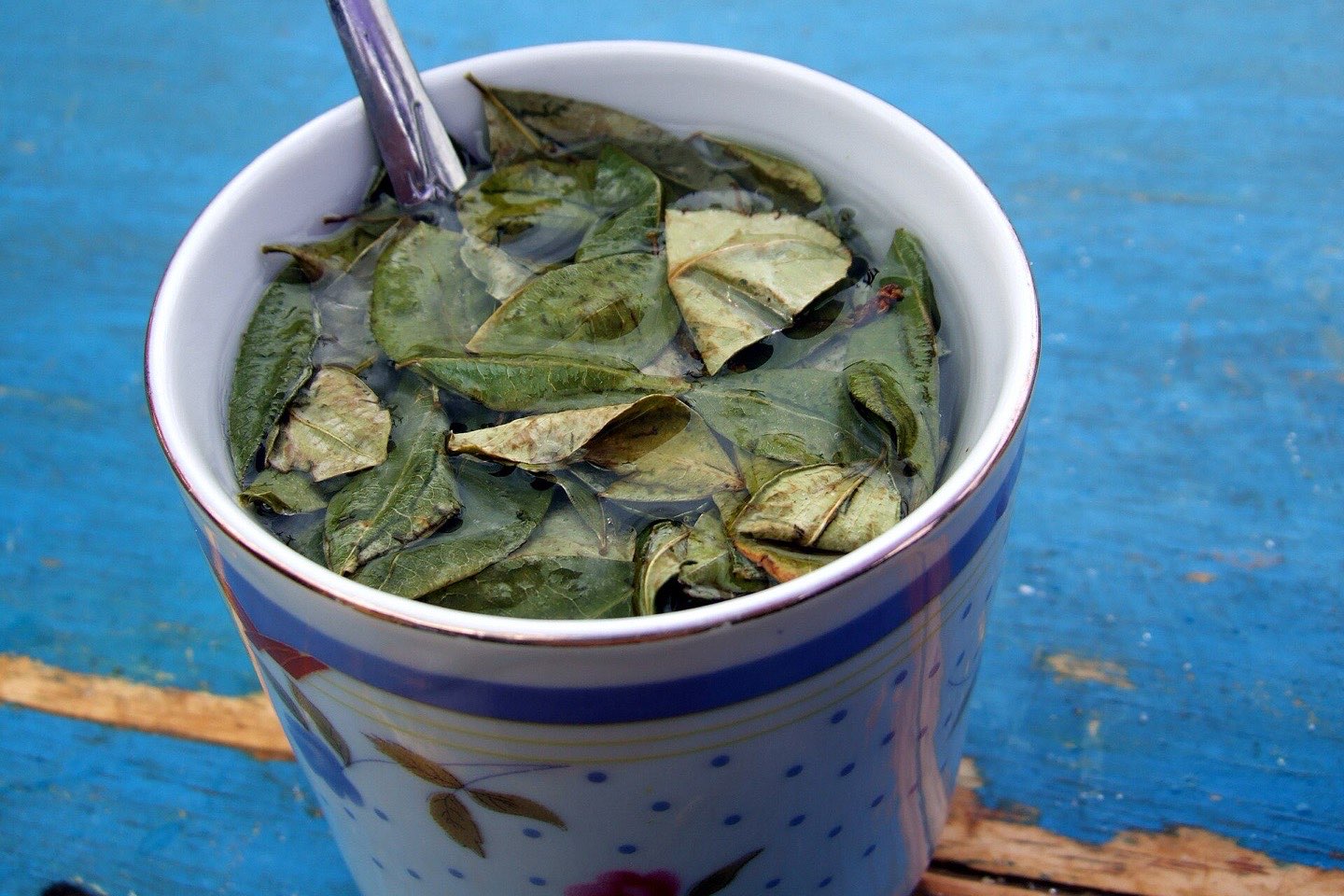
Headaches, sleepless nights and breathlessness are normal above 3,000 m. Here is how we acclimatise our groups, what the warning signs are and when to go down.
Everyone feels it
Almost everyone who flies from sea level to Cusco (3,400 m) or La Paz (3,640 m) feels the altitude. At those heights each breath holds about a third less oxygen than at the coast, and your body needs several days to respond by breathing faster, making more red blood cells and changing the chemistry of your blood.
Acute mountain sickness (AMS) feels like a bad hangover: headache, nausea, poor sleep and loss of appetite. It is common, usually mild and goes away with rest. The serious forms, high-altitude pulmonary oedema (HAPE) and cerebral oedema (HACE), are rare on our itineraries but can kill, and the treatment for both is the same: descend immediately.
Our rules come from three decades of guiding. Sleep low on the first nights, which is why Peru trips start in the Sacred Valley. Ascend slowly once above 3,000 m, adding no more than 300 to 500 m of sleeping altitude a day. Walk high, sleep low. Drink plenty of water, go easy on alcohol, and eat even when you do not feel like it. Coca tea helps some people and harms no one.
Acetazolamide (Diamox) speeds acclimatisation and is worth discussing with your doctor before you travel.
Warning signs
How we acclimatise a Peru group
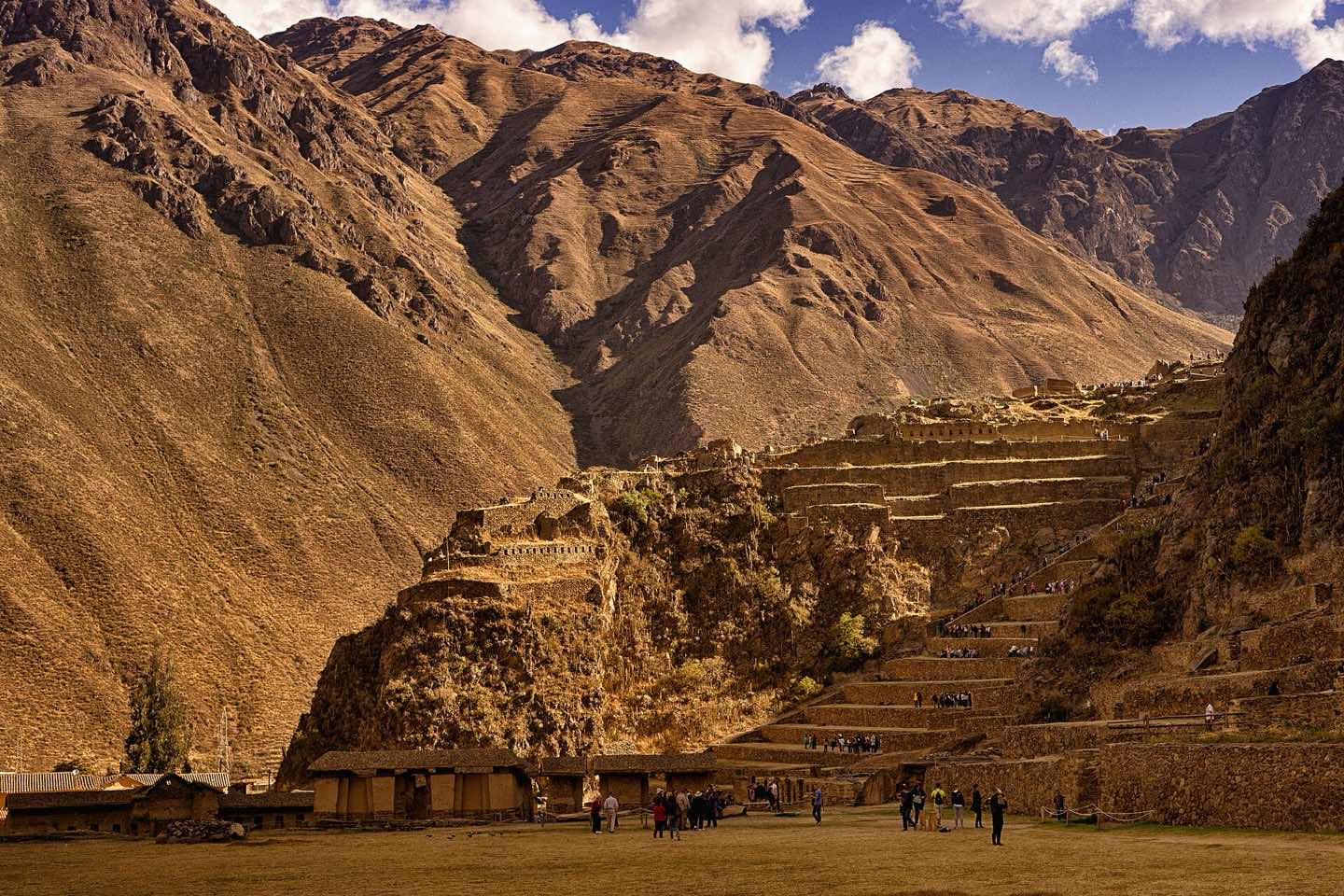
- Fly to Cusco and drive straight down to the Sacred Valley (2,870 m)
- Two nights in the valley with gentle walks
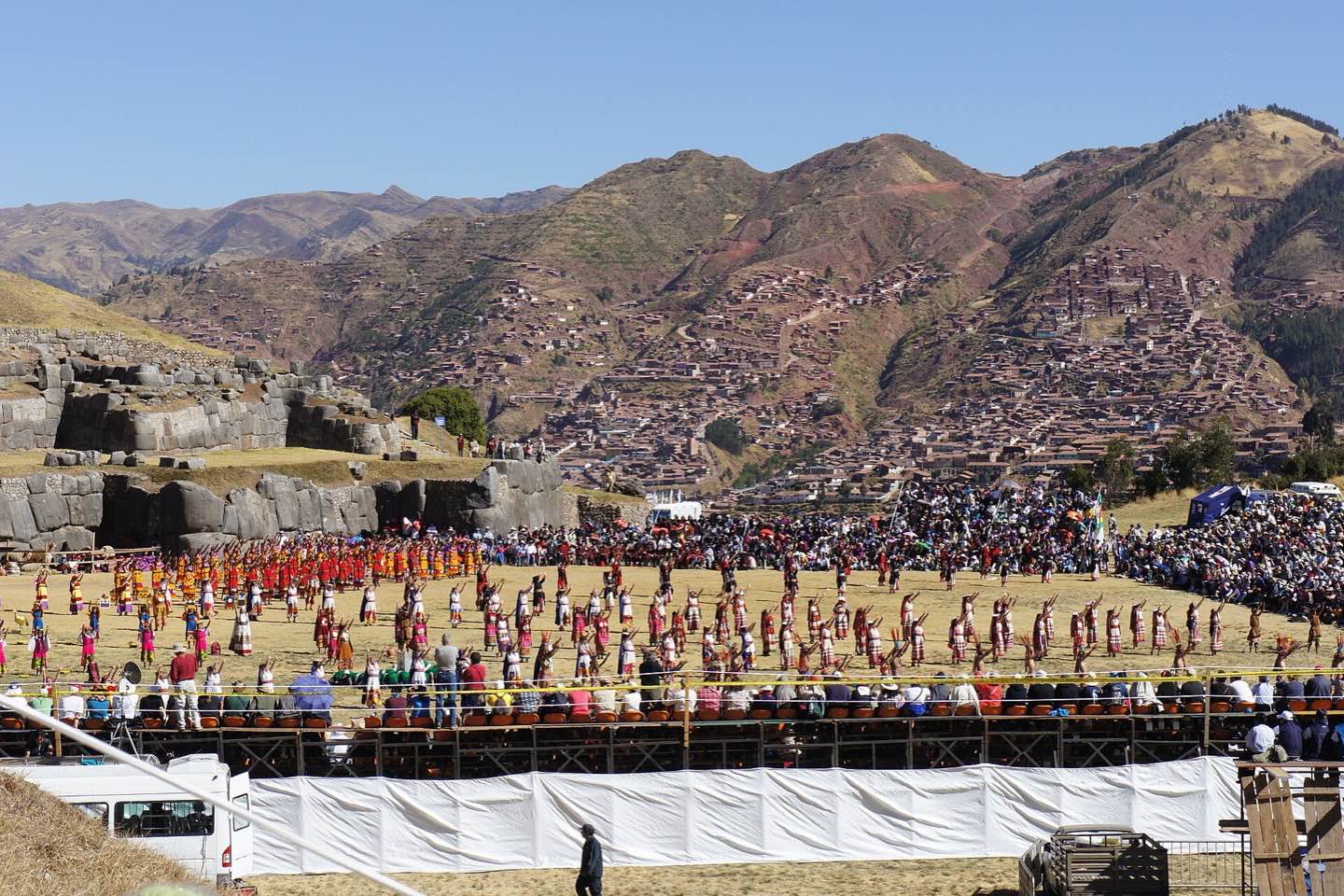
- Two nights in Cusco with a half-day hike to Sacsayhuamán
- Only then a trek above 4,000 m
Mate de coca
The fittest marathon runner can get sick and the grandmother at the back can feel fine. Fitness does not protect you; time does.Mateo Quispe
About this story

Mateo QuispeAuthor
Andes TrailsPublisher
Reviews
Write a reviewAverage rating 3.5 out of 5
2 reviews- RMRafael Moreno5 out of 5 stars24 Sept
The acclimatisation advice was perfect: three slow days first and nobody in our group got sick. Superb guide.
 Daniel Kim2 out of 5 stars15 May
Trail conditions were nothing like described after the rains. Some warning would have helped.
Keep this story