GuideKunene, Namibia9 min read
Etosha's Waterholes: A Self-Drive Guide
Sit, wait and let the animals come to you
Average rating 4.0 out of 5
4.01 review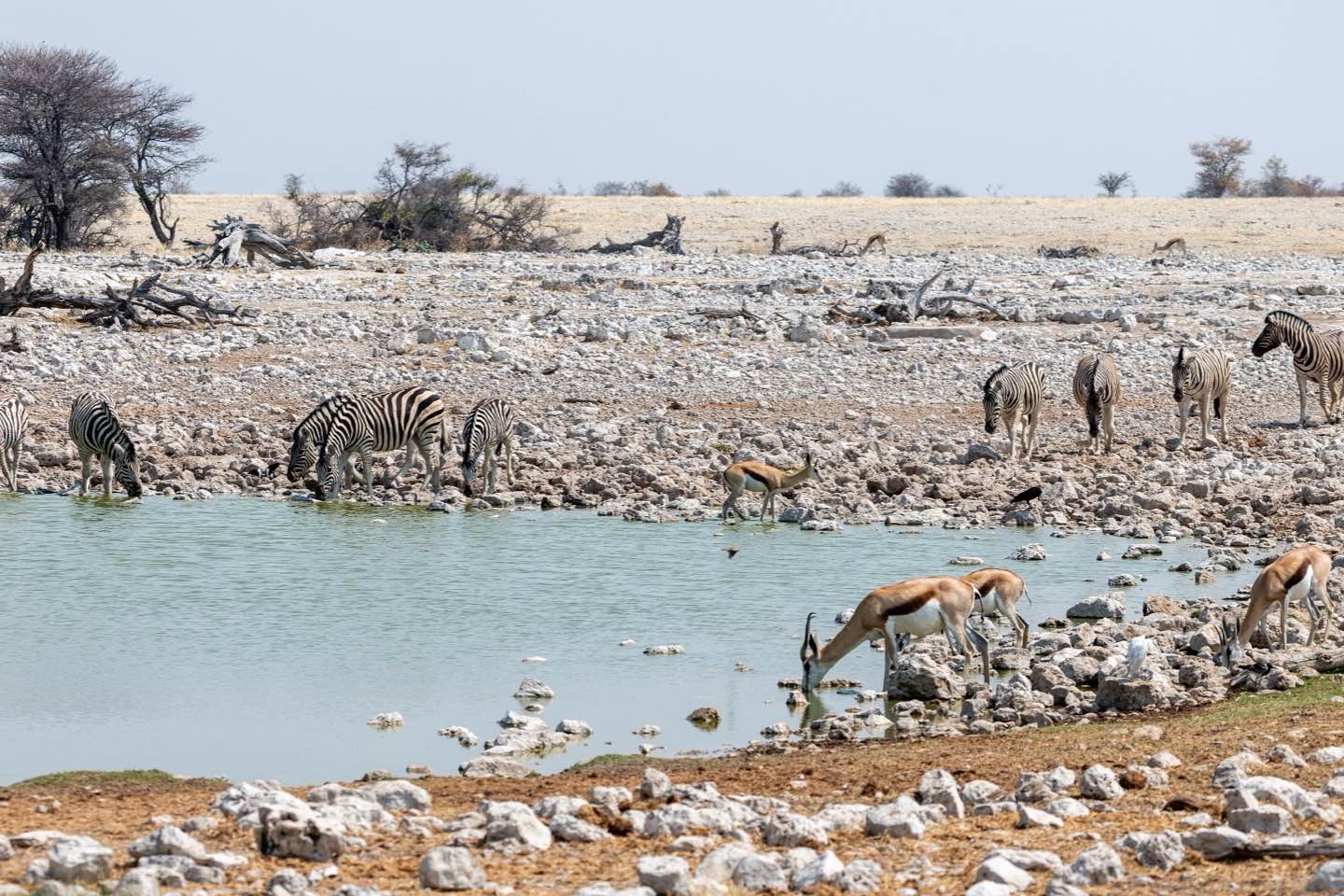
In Etosha the game comes to the water, not the other way round. How to plan a self-drive around the park's best waterholes.
How Etosha works
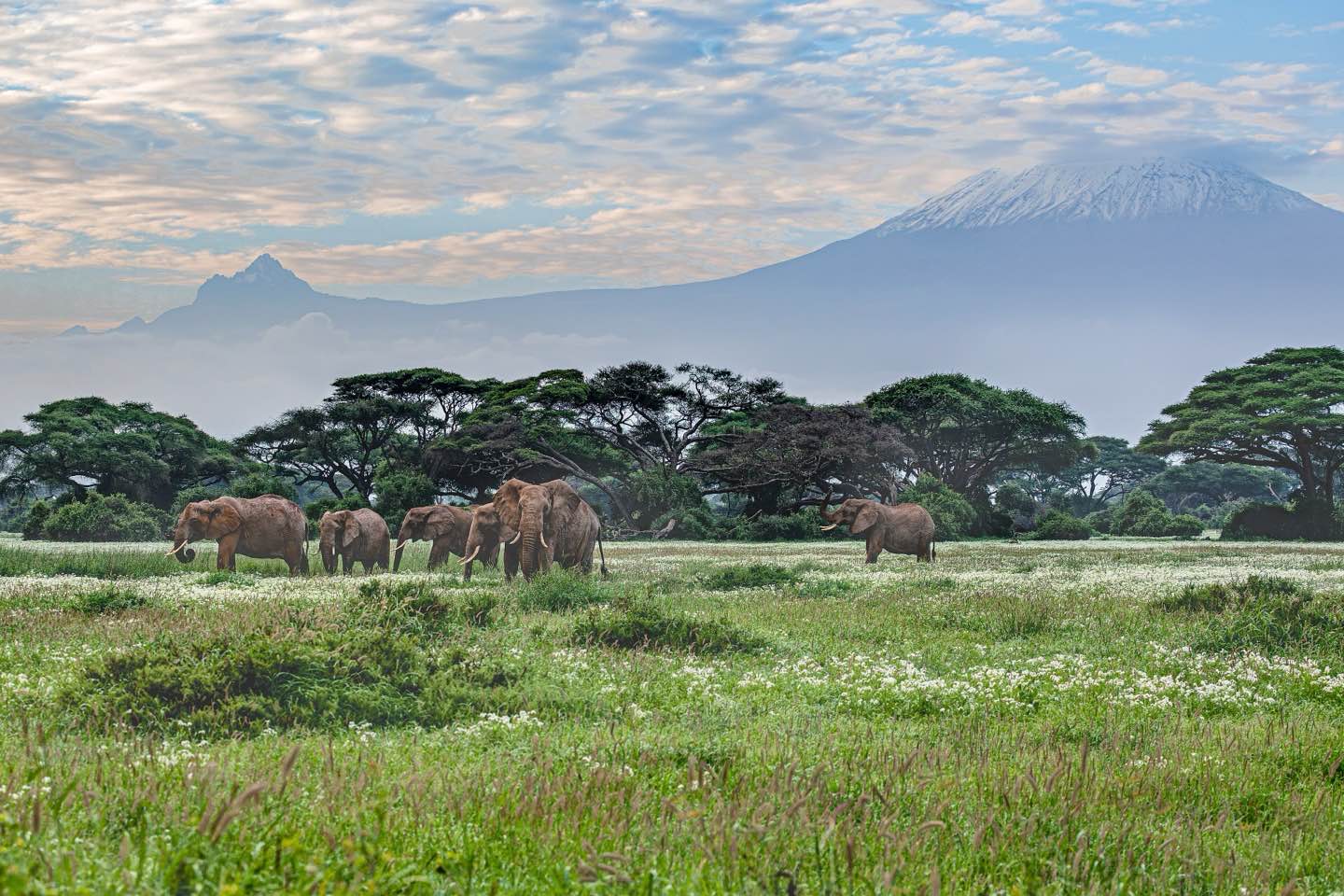
Etosha National Park surrounds a vast white salt pan, 120 kilometres long, that holds water only briefly after good rains. For most of the year the wildlife depends on a string of springs and boreholes along the southern edge of the pan. That makes Etosha one of the easiest parks in Africa to self-drive: the roads are good gravel, the waterholes are marked and the animals come to them.
The trick is patience. Pick a waterhole, turn off the engine and wait. In the dry season, from June to October, a single hour at Okaukuejo, Halali or Klein Namutoni can bring elephant, giraffe, zebra, springbok, gemsbok and, if you are lucky, a black rhino or a lion pride. The floodlit waterholes at the three main rest camps keep working after dark, when rhino are most often seen.
Gates open at sunrise and close at sunset, and you must be inside a camp or outside the park by then.
Our favourite waterholes
- Okaukuejo: floodlit, famous for black rhino at night.
- Nebrownii: zebra and wildebeest in big numbers.
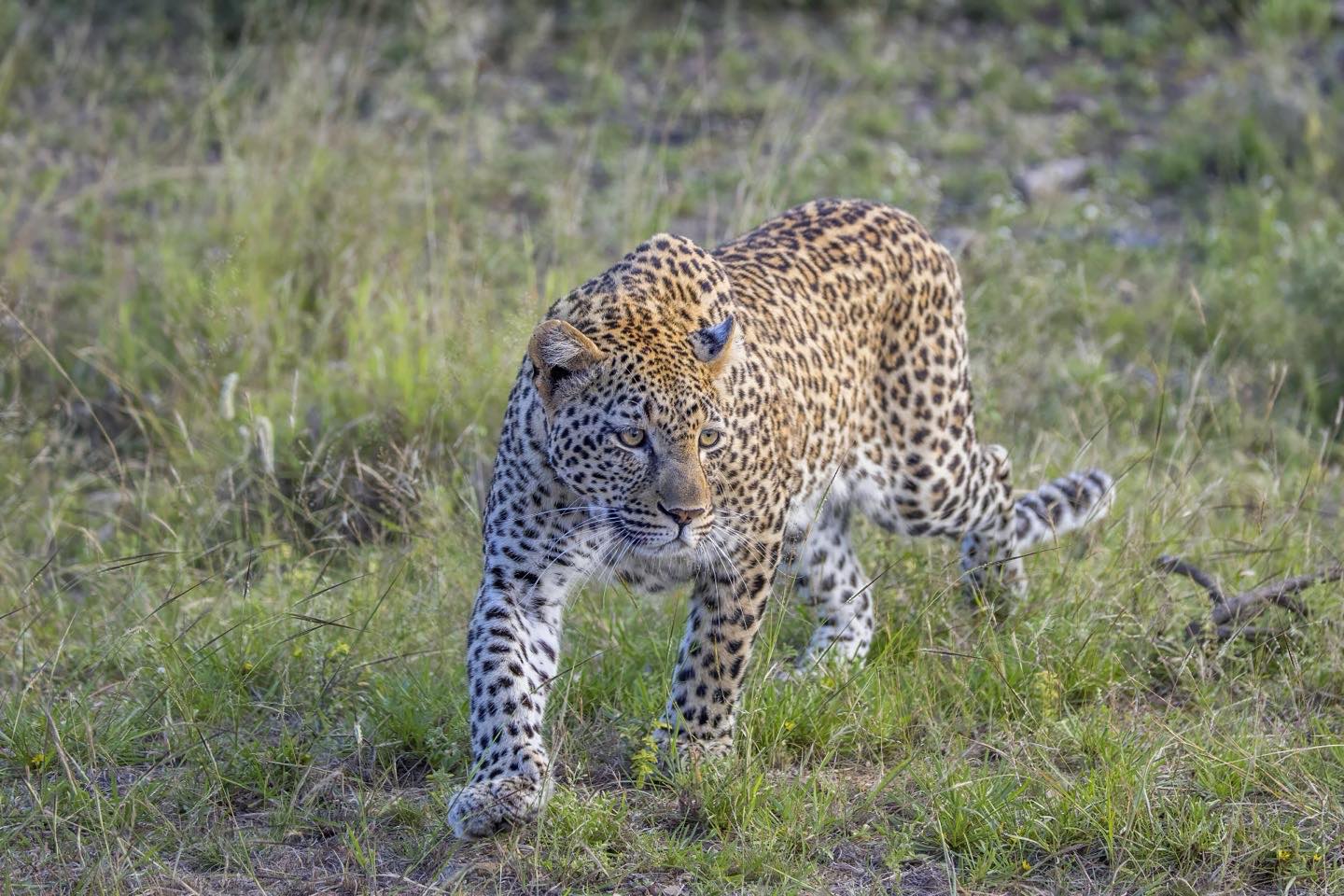
- Halali's Moringa: leopard and rhino after dark.
- Rietfontein: elephants in the late afternoon.
- Klein Namutoni: good light and the eastern specialities like Damara dik-dik.
Speed limit
About this story

Kagiso MolefeAuthor
Wildside ExpeditionsPublisher
Reviews
Write a reviewAverage rating 4.0 out of 5
1 review- ASAmira Saleh4 out of 5 stars6 Oct
Excellent wildlife advice. The transfers between parks take longer than suggested.
Comments
1 commentSigned-in travelers can comment on this story.Sign in to comment
- Leila Haddad
Is this doable in a single day or would you split it over two?
Keep this story