ArticleNarok, Kenya6 min read
Why We Love the Maasai Mara in the Green Season
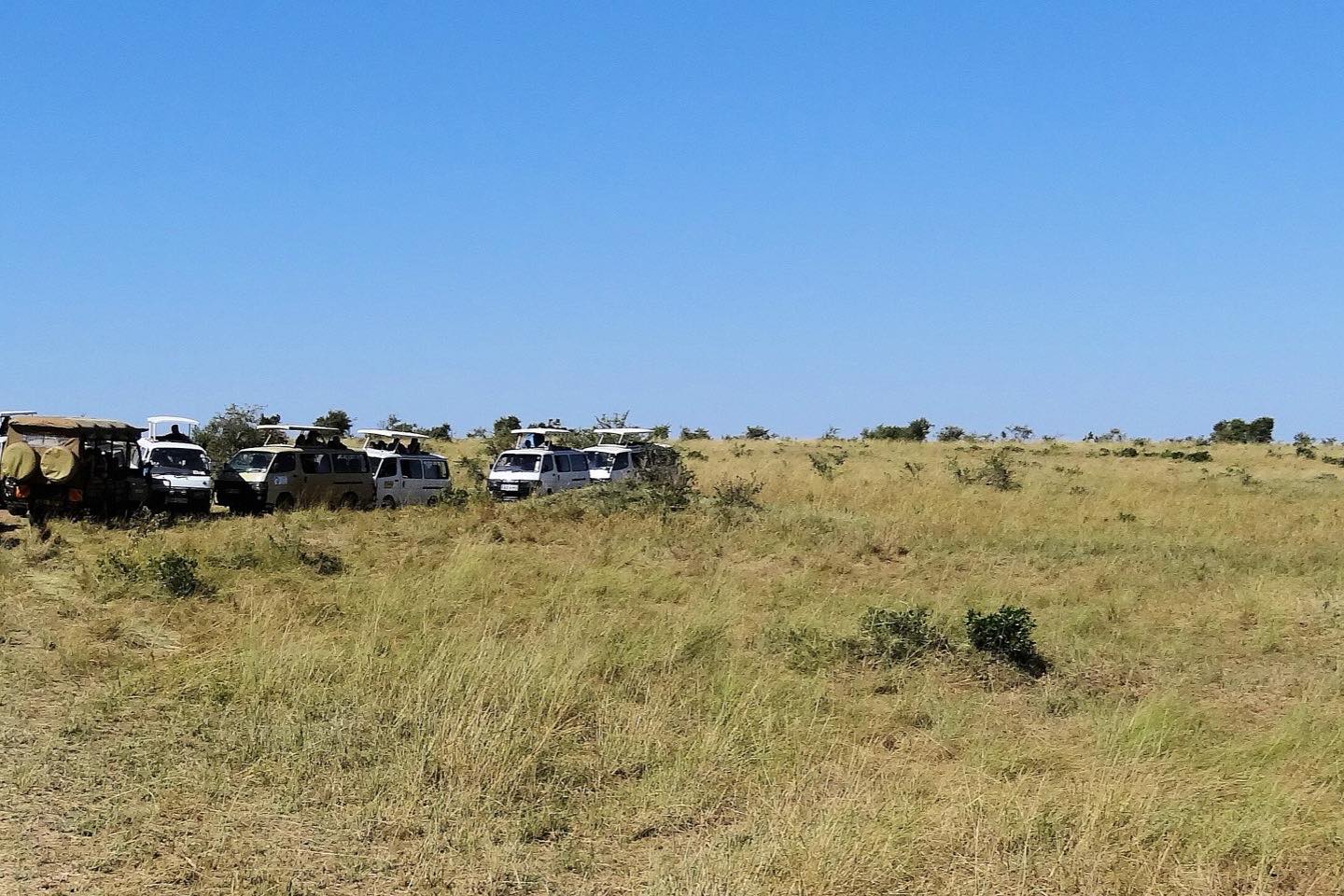
Fewer vehicles, newborn animals and the best light of the year
Average rating 5.0 out of 5
5.01 review
Between November and June the Mara turns green, the crowds thin out and the predators get busy. Here is why the shoulder months are our favourite secret.
The Mara without the migration
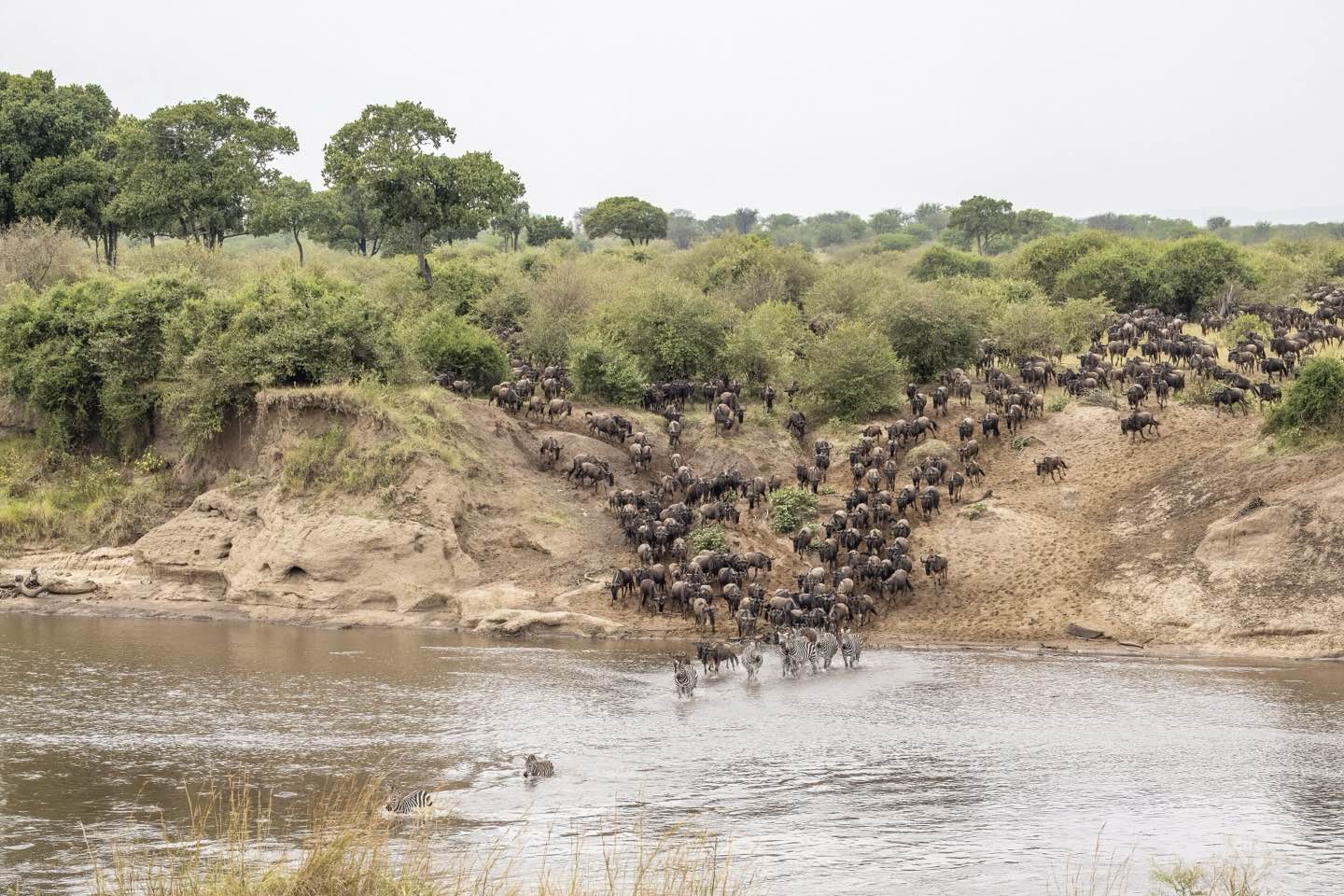
Most people come to the Maasai Mara in August for the wildebeest. They are right to: it is one of the great wildlife spectacles anywhere. But the resident animals do not leave when the herds go south. The Mara has one of the densest lion populations in Africa all year round, along with cheetah, leopard, elephant, buffalo and the plains game that keep them fed.
From November the short rains turn the plains a vivid green. Topi and impala drop their young, the birdlife swells with Palearctic migrants and the afternoon storms build into some of the most dramatic skies you will ever photograph. Rates at most camps fall by a third, and on many drives you will not see another vehicle for an hour.
The long rains in April and May are wetter and some camps close, but November to March and June are, in our view, the best value safari months in East Africa.
What the green season gives you
- Newborn topi, impala and gazelle from November to February, and the predators that follow them.
- Lower rates and easier availability at the conservancy camps.
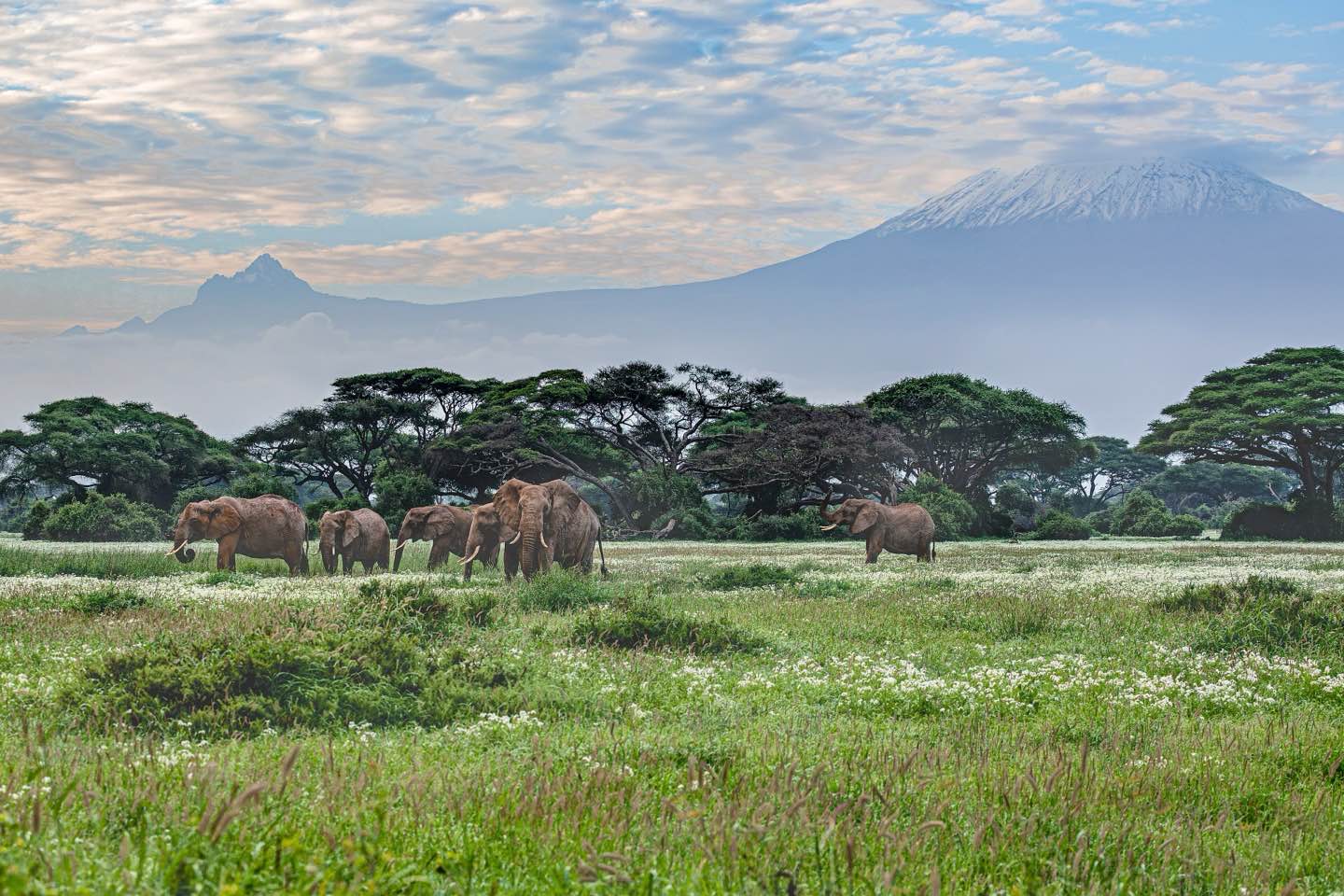
- Clear air after the rain: Kilimanjaro is sometimes visible from the southern plains.
- Hundreds of migratory bird species, from European rollers to Abdim's storks.
Pack for showers
About this story

Wanjiru KamauAuthor
Wildside ExpeditionsPublisher
Reviews
Write a reviewAverage rating 5.0 out of 5
1 review Priya Raman5 out of 5 stars13 Aug
Honest, expert and full of respect for the places and the people. These notes made our safari.
Keep this story