GuideMara, Tanzania11 min read
The Great Migration River Crossings
Where, when and how to watch the wildebeest take the Mara River
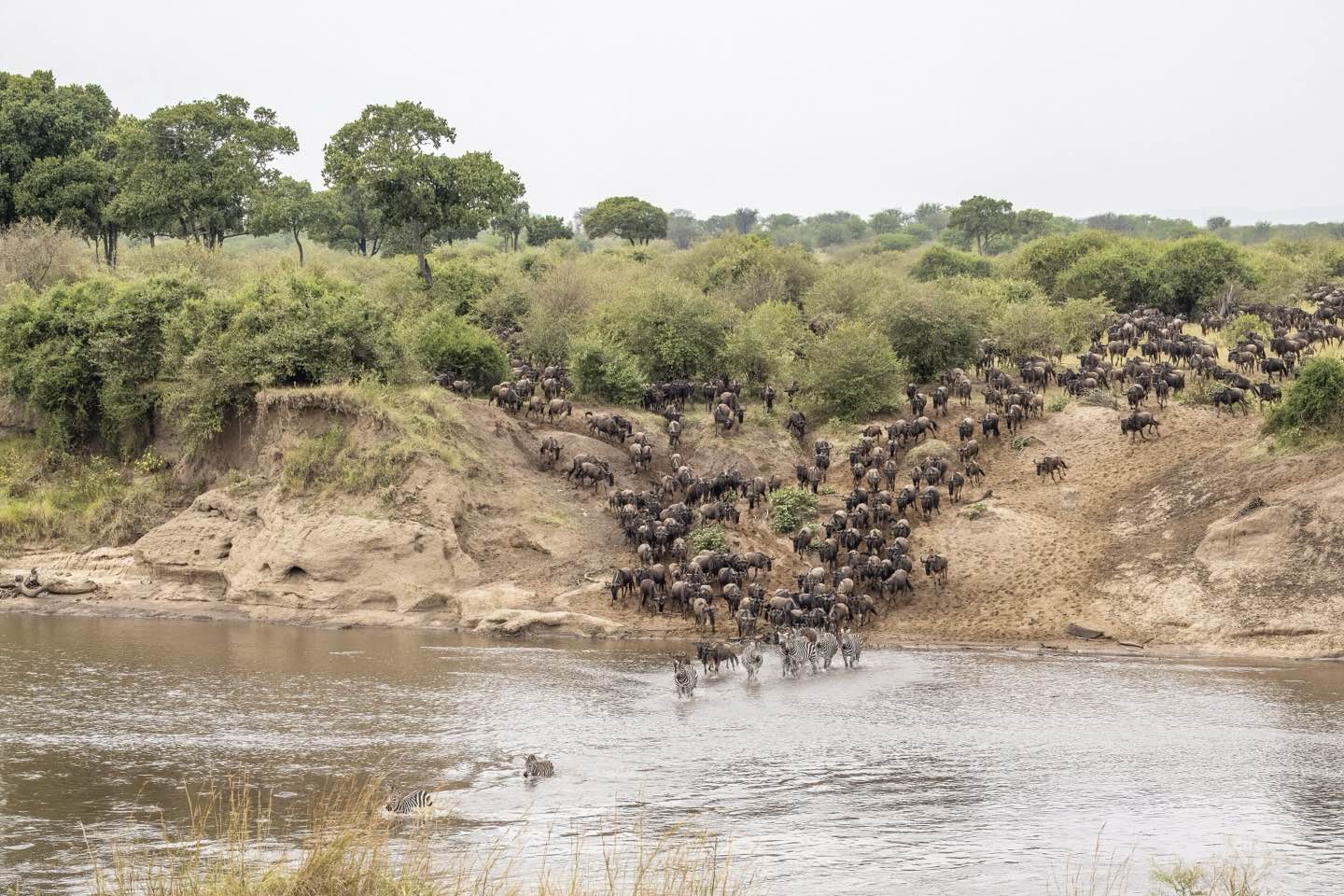
Two million animals, one muddy river and a lot of waiting: our field guide to seeing a Mara River crossing without joining a traffic jam.
A year on the move
The Great Migration is not an event but a loop. Roughly 1.3 million wildebeest, with a few hundred thousand zebra and gazelle, follow the rain around the Serengeti–Mara ecosystem every year. They calve on the short-grass plains of the southern Serengeti between January and March, push north and west through the Grumeti corridor in May and June, and reach the Mara River in July.
From then until October the herds criss-cross the river, sometimes several times in a week, chasing fresh grass on the Kenyan side and drifting back again. That is the window people mean when they talk about "the crossings", and it is why the northern Serengeti and the Maasai Mara fill up in August.
Nobody can promise a crossing on a given day. Herds can mass on the bank for hours, lose their nerve and walk away. Patience, a flexible guide and enough days in the right place are what make the difference.
Choosing your side of the river
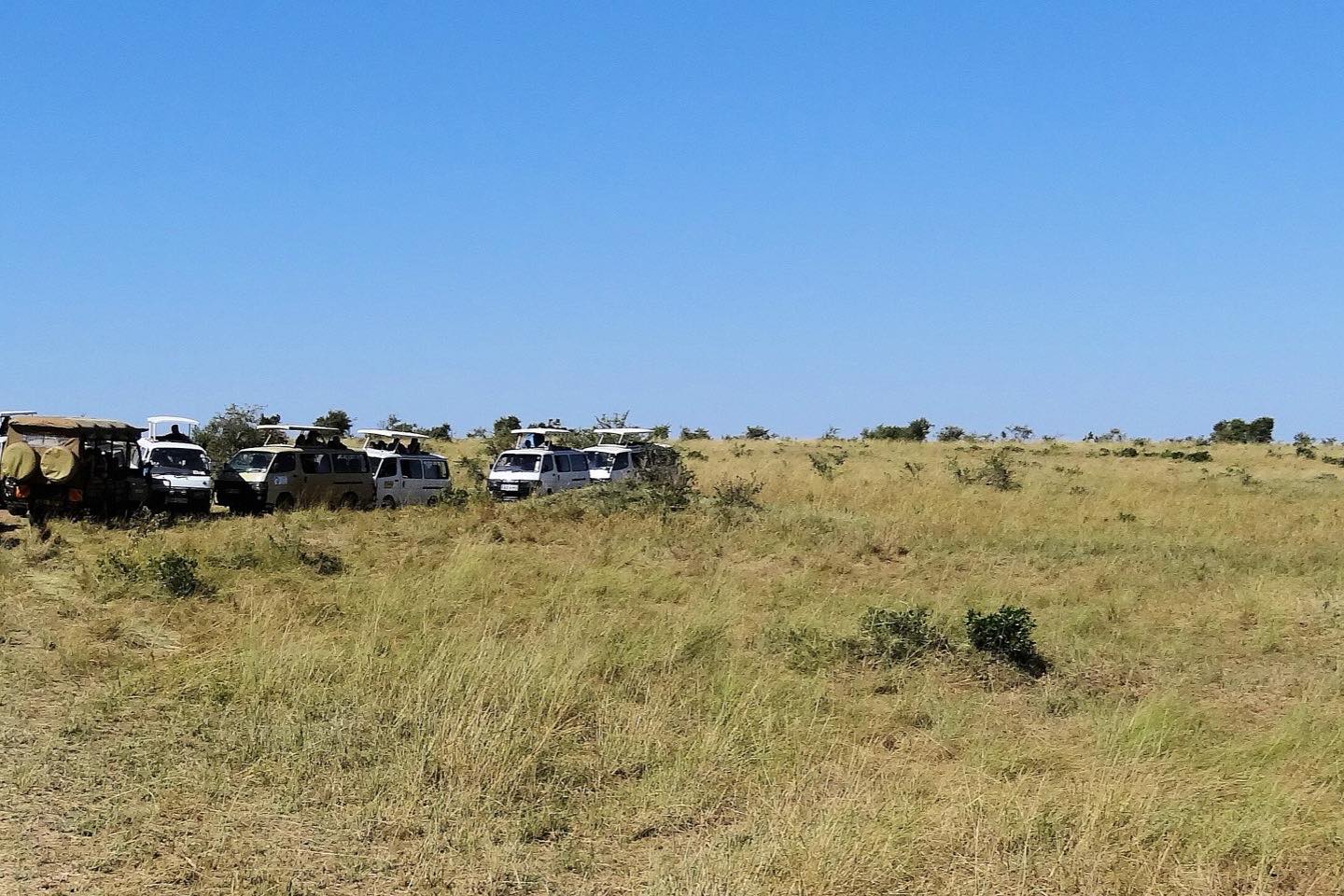
The Kenyan Maasai Mara has more camps, easier flights from Nairobi and the famous crossing points near the Mara Triangle and Lookout Hill. It is also busier: on a peak August afternoon you may share a crossing with forty vehicles.
The northern Serengeti in Tanzania, around Kogatende and Lamai, sees the same herds with fewer people, longer drives and a little more luck required. We split most of our migration trips between the two, starting in the Mara in late July and finishing at Kogatende, where the herds tend to linger into October.
Wherever you stay, base yourself within an hour's drive of the river. Camps that are far from the crossing points look cheaper on paper and cost you the best hours of the day.
How to watch a crossing well
- Leave camp with a packed breakfast and lunch: the best crossings rarely happen near a mealtime.
- Park back from the bank and stay there. Vehicles on the lip of the river turn herds away.
- Keep engines off and voices low while the herd decides.
- Shoot the build-up as well as the plunge: dust, nerves and the first animal down the bank tell the story.
- Leave when your guide says so. Rangers close crossing points that are being crowded.
We had waited four hours and were about to leave when a single zebra walked into the water. Within a minute the whole bank was moving.Neema Mushi, Wildside guide
Crossing etiquette
The main crossing points
About this story

Neema MushiAuthor
Wildside ExpeditionsPublisher
Reviews
Write a reviewNo reviews yet
Reviews from other travellers appear here once the publisher approves them.
Keep this story