GuideSeoul, South Korea8 min read
Eating Through Seoul's Markets
Mung-bean pancakes, live octopus and the best kimbap in the city
From the food alleys of Gwangjang to the night stalls of Mangwon, Seoul's traditional markets are the best restaurants in the city. A route for two hungry days.
Start at Gwangjang
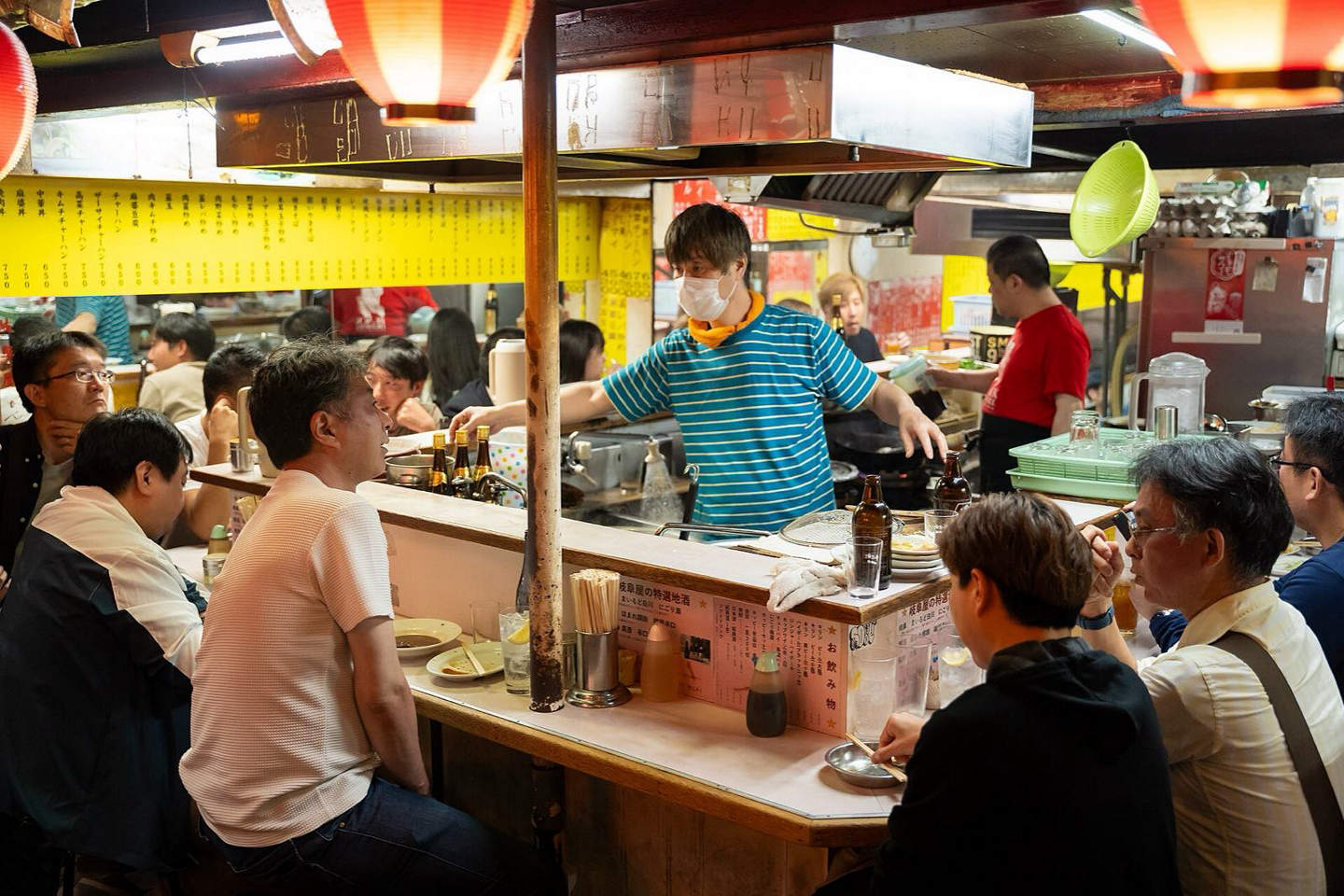
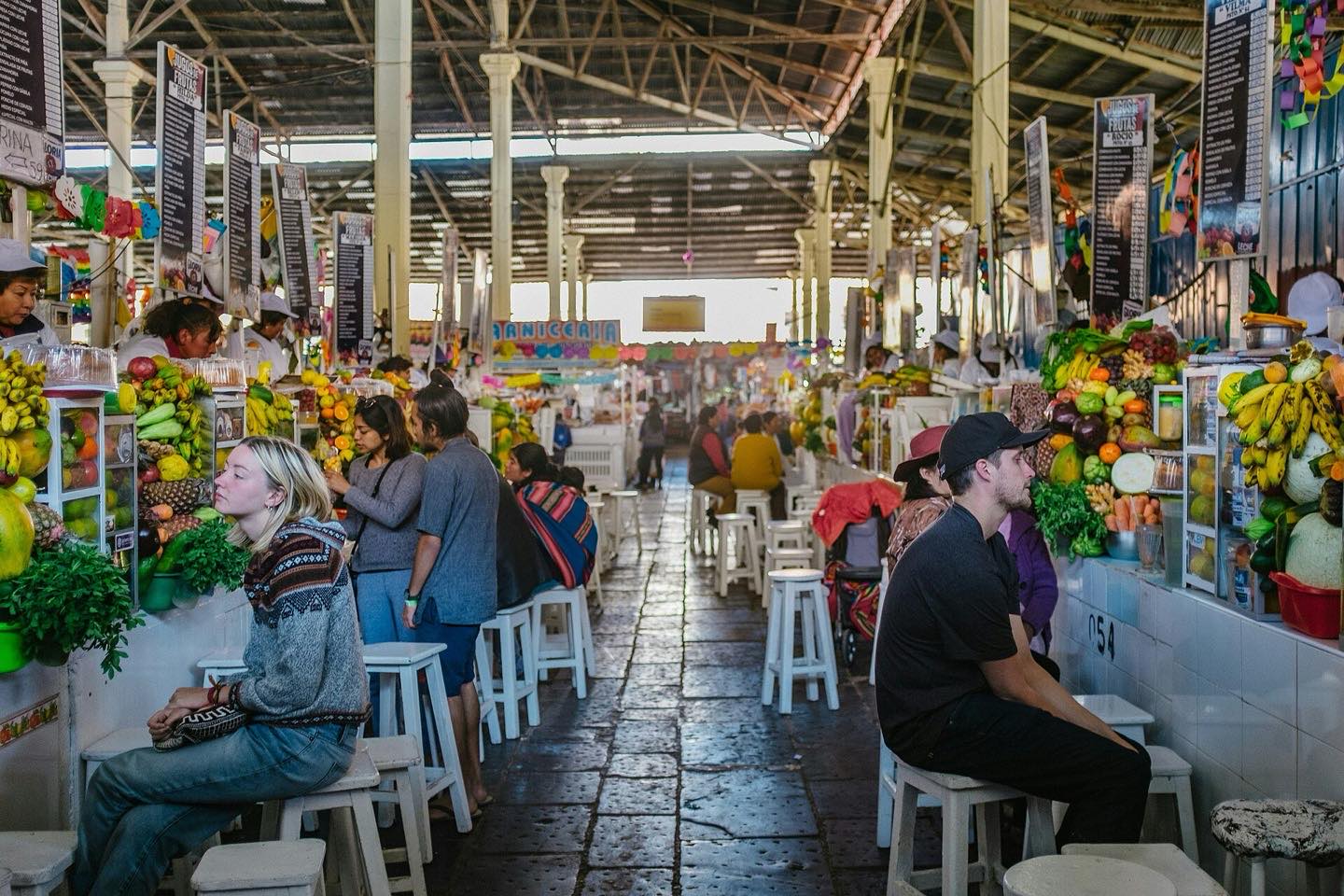
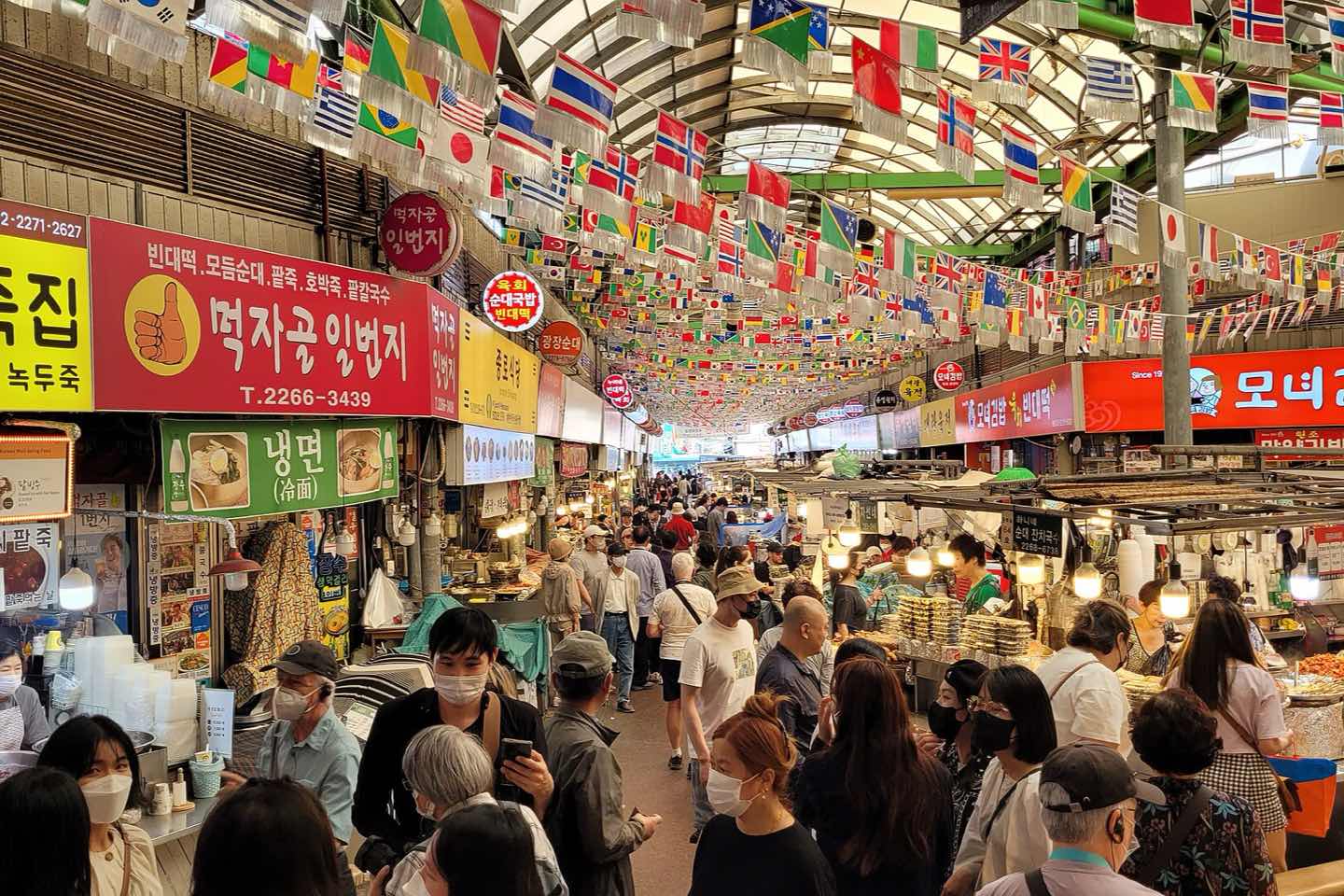
Founded in 1905, Gwangjang Market is Seoul's oldest and the one to start with. Its covered central crossing is packed with stalls where grandmothers fry bindaetteok, thick mung-bean pancakes, on wide griddles, slice mayak kimbap, small addictive rice rolls dipped in mustard soy, and serve yukhoe, Korean beef tartare with pear and egg yolk, to office workers on plastic stools.
Sit wherever there is space, point at what looks good and order a bottle of makgeolli, the milky rice wine that is the traditional match for pancakes. Most stalls take cards now, but cash is quicker.
On the second day, go west. Mangwon Market in Mapo is a neighbourhood market rather than a sight, with fried chicken, hotteok and croquettes at local prices, and the Han River parks are a short walk away for a picnic. In the evening, head to Namdaemun for knife-cut noodle alley, or to the Gwangjang night stalls, which stay open until eleven.
Order at Gwangjang
- Bindaetteok: crisp mung-bean pancake with pork and kimchi
- Mayak kimbap: tiny rice rolls with mustard dipping sauce
- Yukhoe: seasoned raw beef with pear
- Kalguksu: hand-cut noodles in anchovy broth
- Sikhye: sweet rice punch to finish
Gwangjang's central crossing
Gwangjang Market
About this story

Emma EditorAuthor
Sakura JourneysPublisher
Comments
1 commentSigned-in travelers can comment on this story.Sign in to comment
- Fatima Zahra El Idrissi
Do you need to book the guided part in advance, or can you just turn up?
Keep this story