GuideNorthern Province, Rwanda9 min read
Gorilla Trekking Permits Explained
Rwanda, Uganda or the DRC: prices, rules and how to book
Average rating 4.8 out of 5
4.84 reviews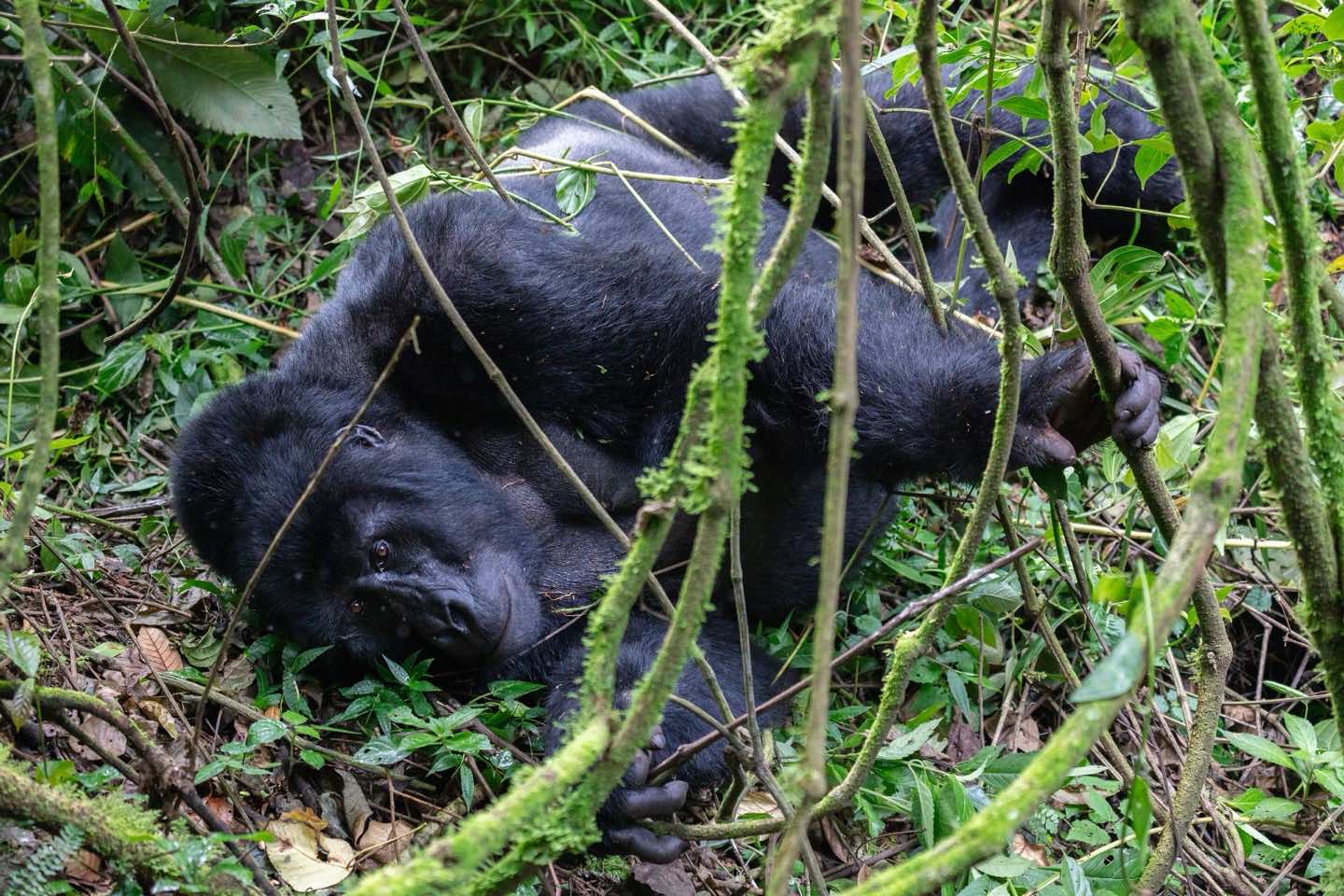
A gorilla permit is the most expensive hour of most travellers' lives, and the most memorable. What you are paying for, how to book and how to prepare.
One hour with a family
Only about a thousand mountain gorillas survive, in two populations: the Virunga volcanoes shared by Rwanda, Uganda and the DR Congo, and Bwindi Impenetrable Forest in Uganda. Several families in each are habituated to people, and a strictly limited number of visitors may spend one hour with each family each day. Eight permits per family per day is the rule in all three countries.
That scarcity is the point. Permit fees fund the rangers, vets and trackers who have helped the population grow from a low of around 250 in the Virungas in the 1980s, and a share goes to communities around the parks. Rwanda charges the most for a permit in Volcanoes National Park; Uganda's permits for Bwindi and Mgahinga cost less; the DRC's Virunga National Park is cheaper still but opens and closes with the security situation.
Permits are issued by the national park authorities and sell out months ahead for June to September. We book them as soon as you confirm dates.
Trekking rules
- Minimum age is 15 on the day of the trek.
- Keep at least seven metres from the gorillas, and wear a mask if asked.
- Do not trek with a cold or flu: gorillas catch human diseases.
- No flash photography, eating or drinking near the family.
- Your hour starts when you reach the family, not when you leave the trailhead.
Hire a porter
Volcanoes National Park
About this story

Wanjiru KamauAuthor
Wildside ExpeditionsPublisher
Reviews
Write a reviewAverage rating 4.8 out of 5
4 reviews- ASAmira Saleh5 out of 5 stars4 Oct
Honest, expert and full of respect for the places and the people. These notes made our safari.
- HTHiroshi Tanaka5 out of 5 stars1 Oct
Lions, a leopard and a river crossing in three days. The advice on timing and where to stay was perfect.
Keep this story