GuideJapan10 min read
The Japan Rail Pass, Explained
When it pays off, when it does not, and the regional passes worth knowing
Average rating 5.0 out of 5
5.02 reviews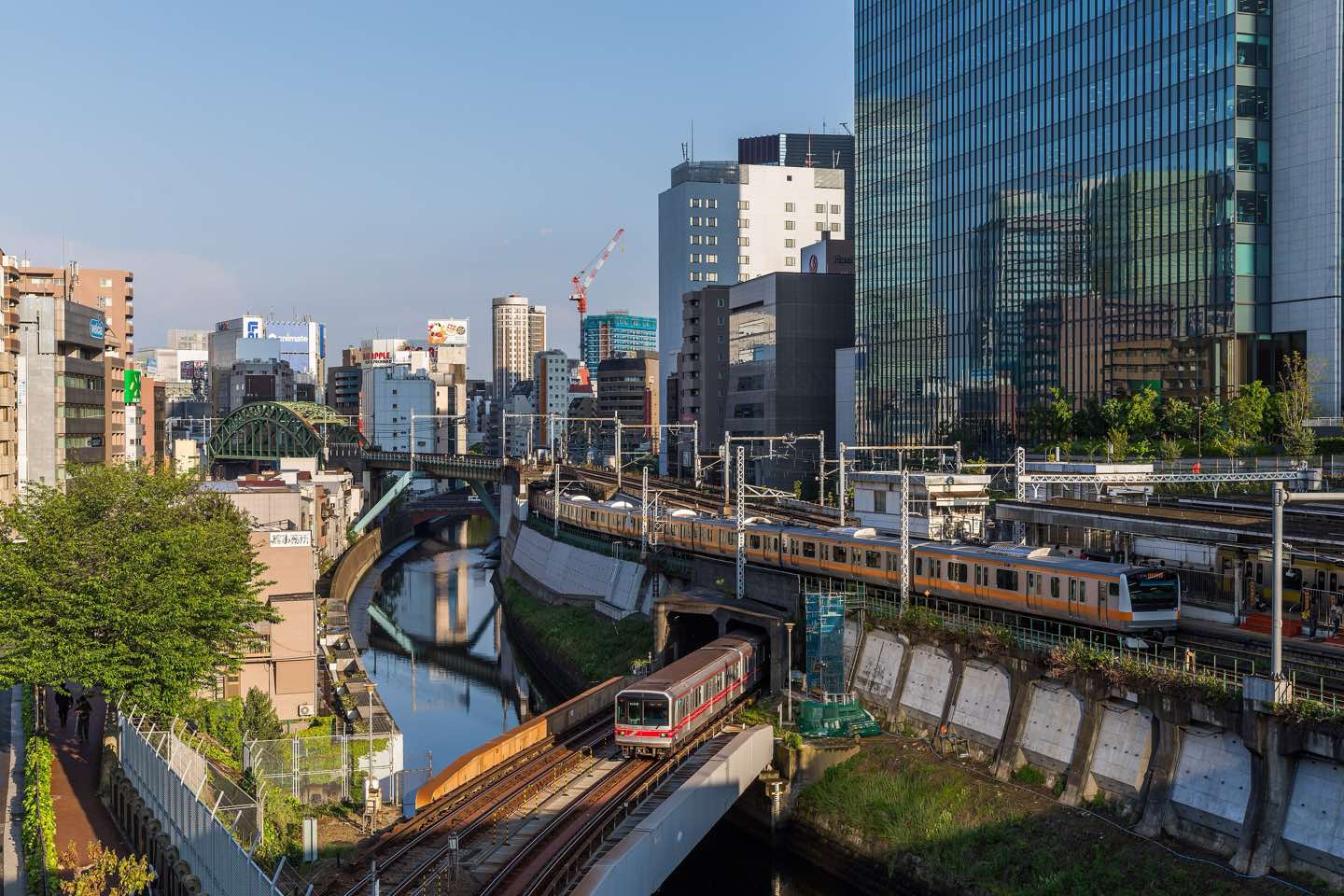
After the 2023 price rise the national JR Pass is no longer a no-brainer. We run the numbers on classic routes and show when a regional pass is the smarter buy.
What the pass covers
The Japan Rail Pass gives unlimited travel on JR trains nationwide, including most Shinkansen, for 7, 14 or 21 consecutive days. Since October 2023 a seven-day ordinary pass costs 50,000 yen, which changed the calculation for many trips. It does not cover the fastest Nozomi and Mizuho trains on the Tokaido and Sanyo lines without a supplement, and it is not valid on private railways or most city subways.
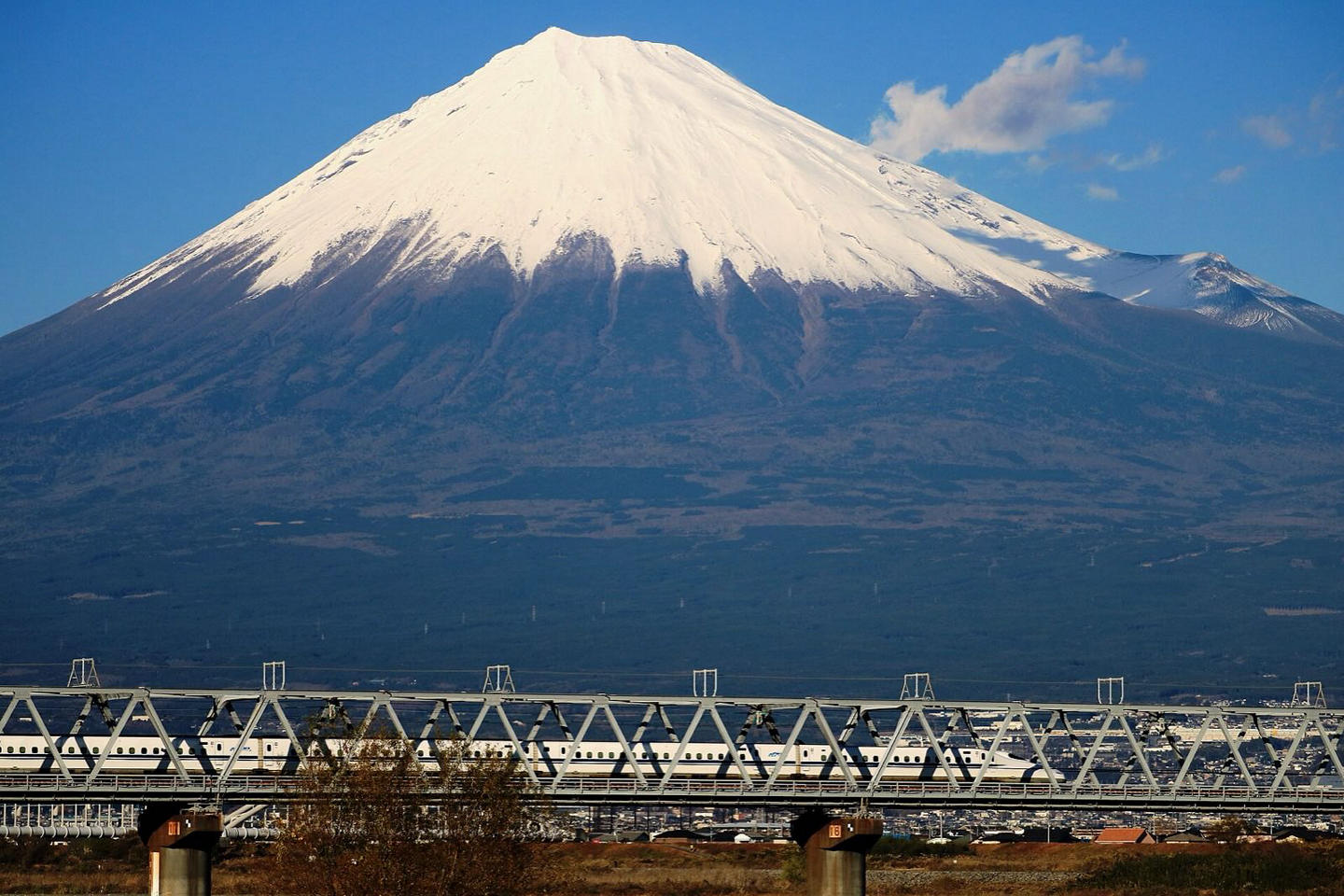
The pass is a voucher bought online or from an authorised agent before you travel and activated at a JR office on arrival; seats can then be reserved at ticket machines or on the official website. Reservations are free with the pass, and on the Tokaido Shinkansen we always book a window seat on the E side for the view of Mount Fuji.
Does it pay off?
- Tokyo to Kyoto and back within seven days: no, about 28,000 yen in single tickets
- Tokyo, Kyoto, Hiroshima and back in seven days: roughly break-even
- Tokyo to Kanazawa, Kyoto, Hiroshima and Fukuoka in fourteen days: yes
- Mostly one region, such as Kansai or Hokkaido: buy a regional pass instead
Regional passes
How we book
For most of our itineraries we simply buy individual Shinkansen tickets in advance through the SmartEX app, which often discounts early bookings and lets you choose seats on the Fuji side of the train. When a trip covers three or more long legs in a week, we price the national pass alongside and pick whichever is cheaper, then put the decision in the travel notes so travellers know why.
Two smaller tips save more money than any pass. Suica or ICOCA cards cover city trains, buses and convenience stores, and now live in your phone's wallet. And for the Tokyo-Kyoto leg, the Hikari is barely slower than the Nozomi, is fully covered by the pass, and has more unreserved seats on busy weekends.
On the rails
About this story

Emma EditorAuthor
Sakura JourneysPublisher
Reviews
Write a reviewAverage rating 5.0 out of 5
2 reviews- HTHiroshi Tanaka5 out of 5 stars25 Sept
Thoughtful, precise and full of small details, like which station exit to use. Brilliant.
- HSHannah Schmidt5 out of 5 stars24 Sept
Every food recommendation was a hit, and the etiquette notes meant we never felt lost ordering.
Keep this story