GuideUyuni, Potosí, Bolivia11 min read
Salar de Uyuni and the Lípez Lagoons
Three days by 4x4 across the altiplano
Moderate
The world's largest salt flat, red and green lagoons full of flamingos, and geysers at dawn: how the classic Uyuni 4x4 route works and when to go.
Twelve thousand square kilometres of white
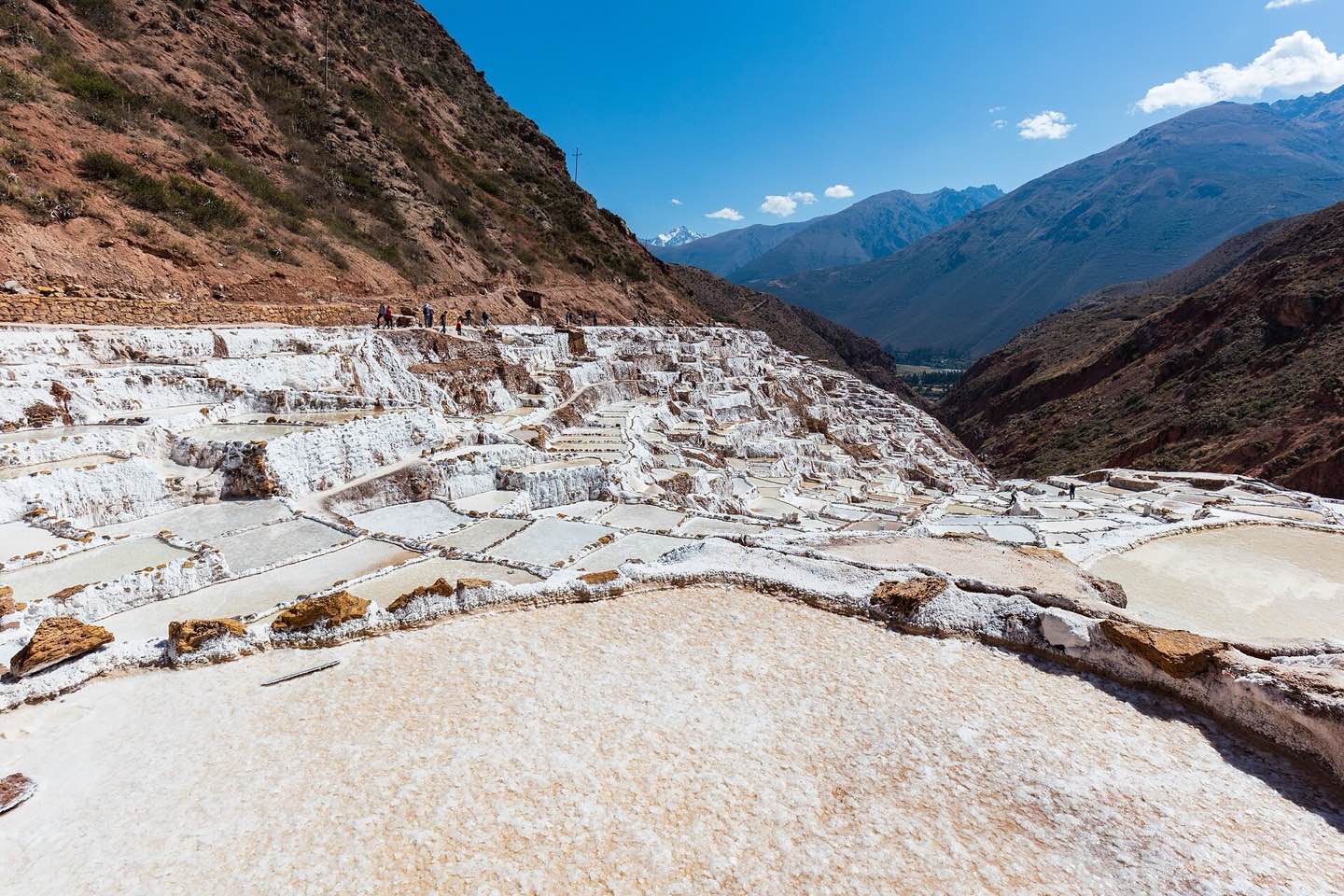
The Salar de Uyuni is what remains of a prehistoric lake that dried out 30,000 years ago, leaving a crust of salt up to ten metres thick over 10,582 km². It is so flat that satellites use it to calibrate their altimeters, and so bright that you need glacier glasses at noon.
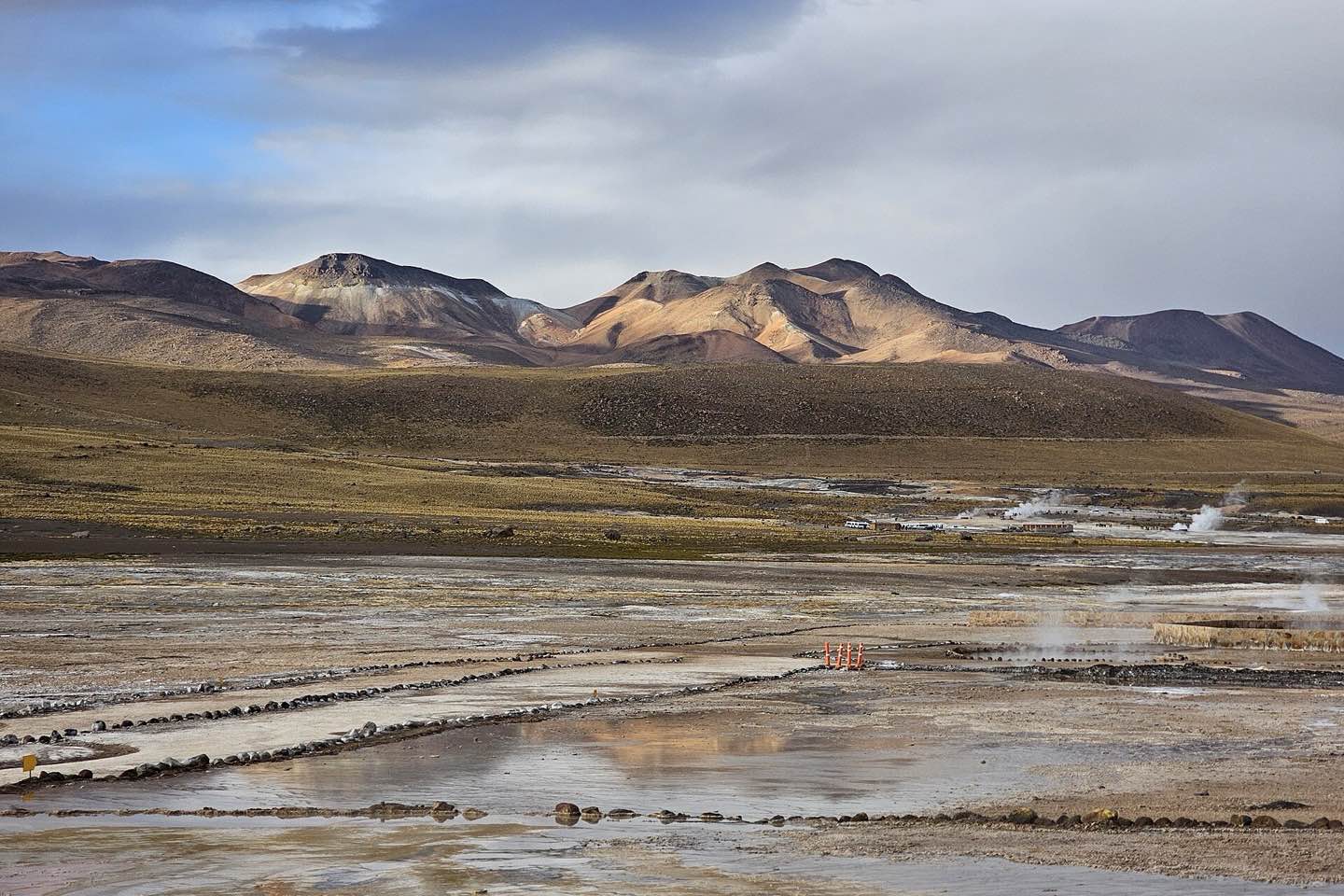
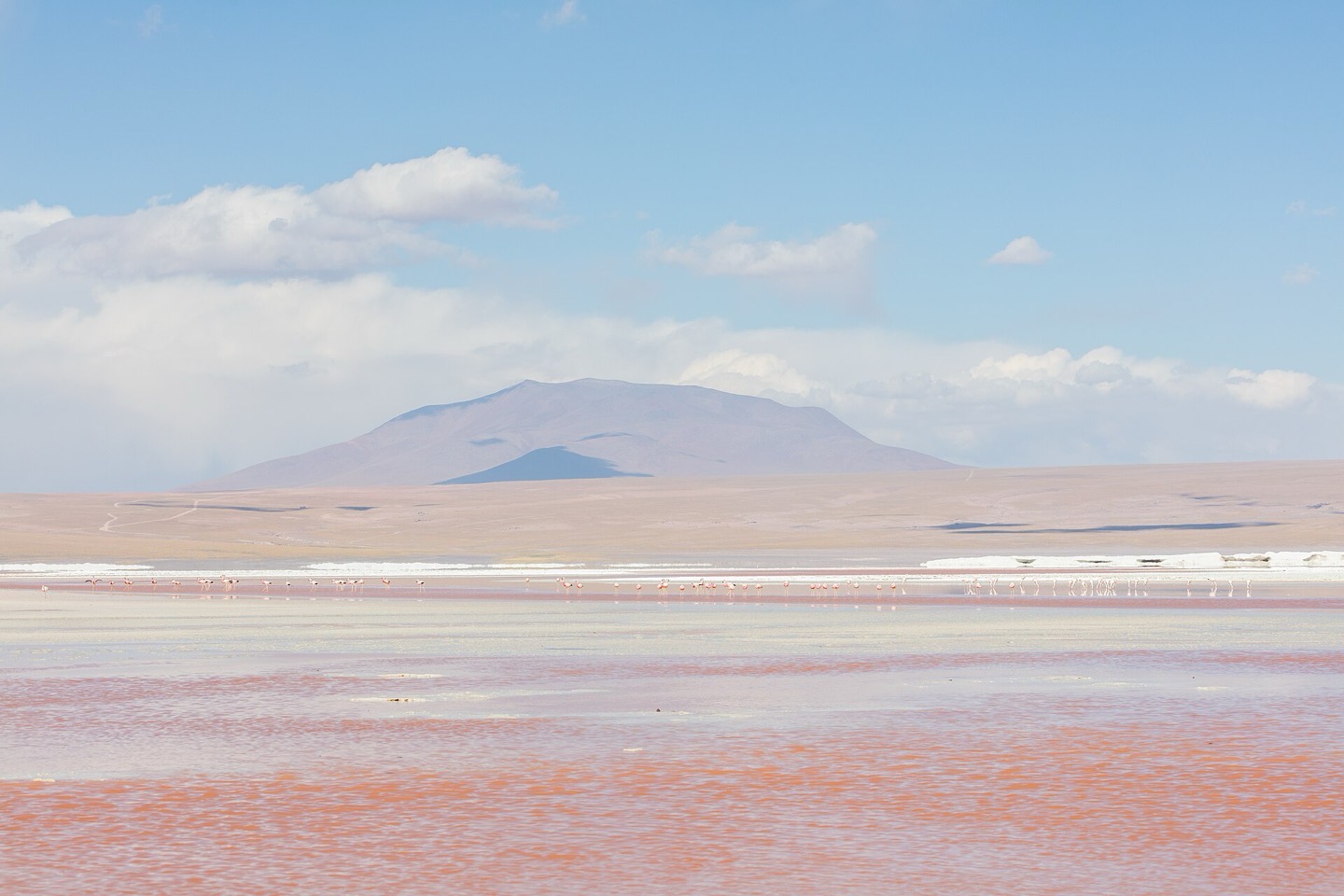
The classic way to see it is a three-day 4x4 loop from the town of Uyuni, or a one-way crossing to San Pedro de Atacama in Chile. Day one is the salt itself: the train cemetery, the salt-harvesting village of Colchani, the cactus-covered Isla Incahuasi in the middle of the flat, and sunset with the perspective photographs everyone takes. Day two heads south into the volcanic Lípez region, past a string of high lagoons where three species of flamingo feed. Day three starts before dawn at the Sol de Mañana geysers at 4,950 m, followed by a soak in the Polques hot springs and the Laguna Verde at the foot of Licancabur.
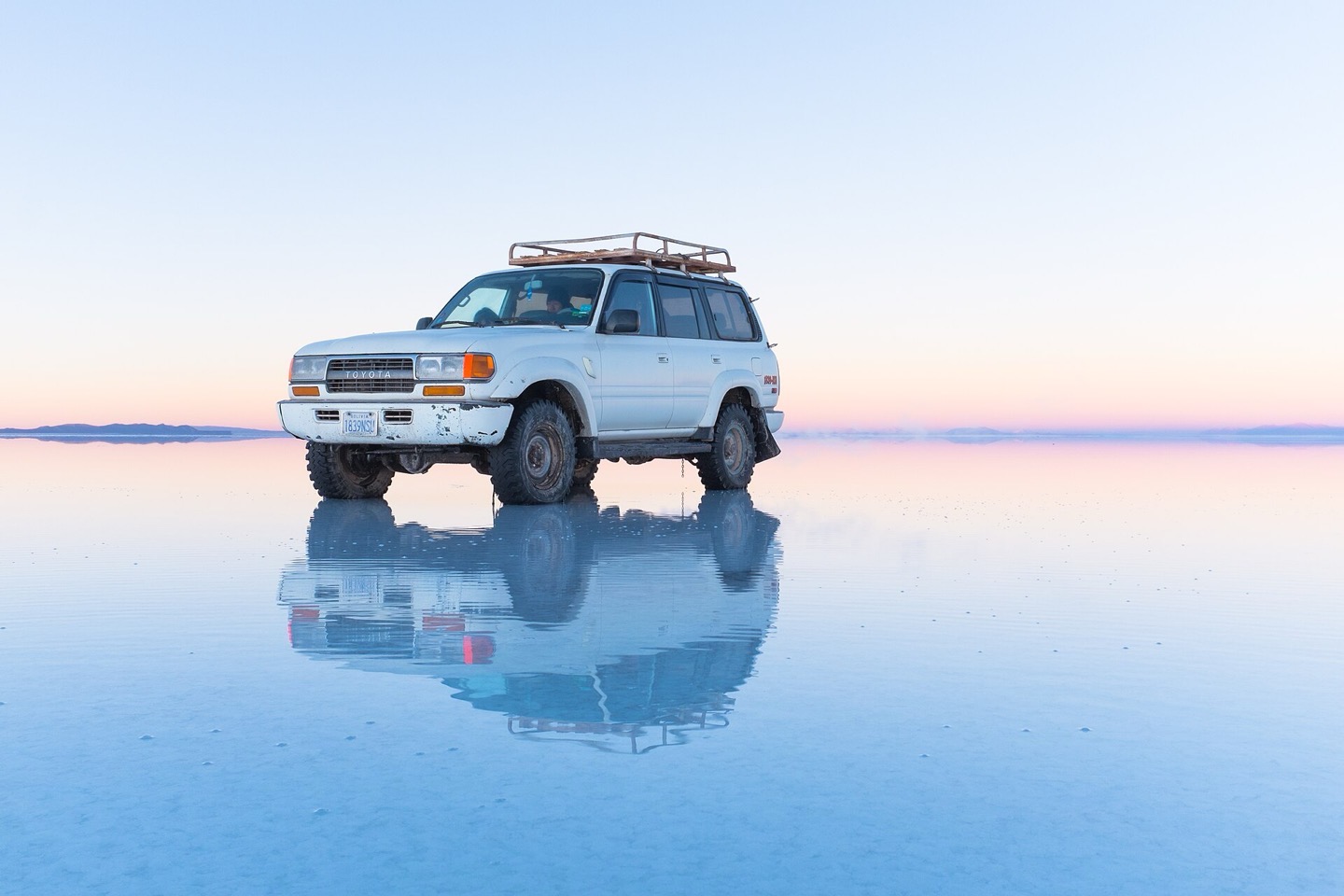
In the wet season, from January to March, a few centimetres of water turn the salar into a perfect mirror, but the southern route can close after heavy rain.
The salar and the lagoons
Packing for the altiplano
- Down jacket and warm hat: nights fall to -15 °C in July
- Sunglasses with side protection and SPF 50
- A two-litre water bottle per day, refillable from the jeep
- Swimsuit for the Polques hot springs
- Cash in bolivianos for park fees and toilets
Choose your operator carefully
On the second night there is no light pollution for two hundred kilometres. Go outside, even if it is minus fifteen.Camila Mamani
Isla Incahuasi
About this story

Camila MamaniAuthor
Andes TrailsPublisher
Comments
3 commentsSigned-in travelers can comment on this story.Sign in to comment
- Sophie Laurent
Booked the place you mentioned for dinner and it was wonderful. Ask for the table by the window.
- Noah Williams
Great guide. One small update: the ferry now leaves twenty minutes earlier.
- Tomás Álvarez
The photos do not do it justice. Easily the best day of our holiday.
Keep this story