GuideRovaniemi, Lapland, Finland10 min read
A Winter Week in Finnish Lapland
Reindeer, huskies and a fair chance at the aurora
Average rating 5.0 out of 5
5.02 reviews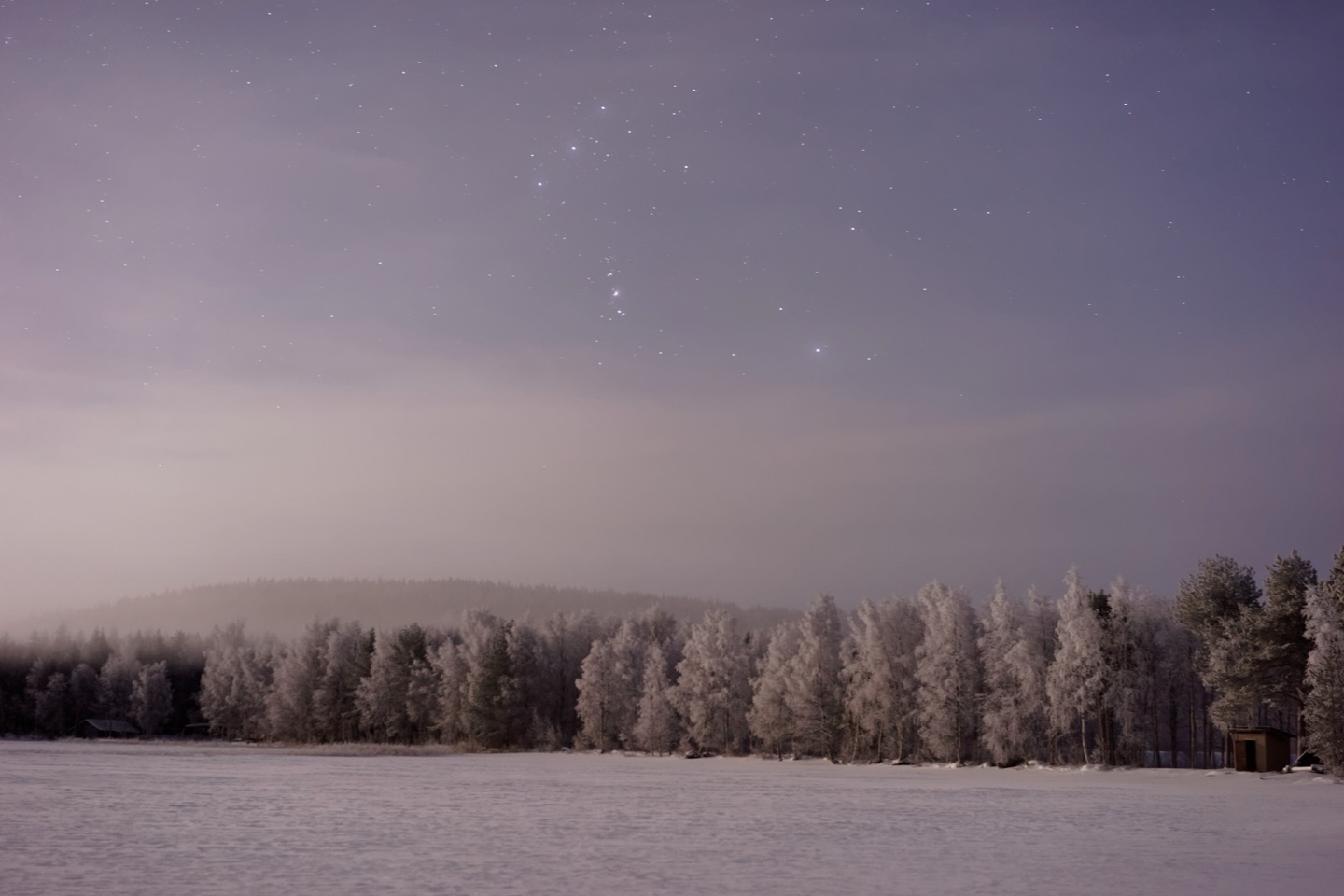
Seven days north of the Arctic Circle in January: how we split the week between Rovaniemi and Inari, what to wear at minus thirty and how to give the northern lights a real chance.
The quiet season
Midwinter in Lapland is not dark so much as blue. In January the sun clears the horizon for only a few hours around noon, and the rest of the day passes in a long, glowing twilight that turns the snow lilac and the frost on the birches to silver. Temperatures sit between minus ten and minus thirty, the air is still and dry, and sound carries for kilometres.
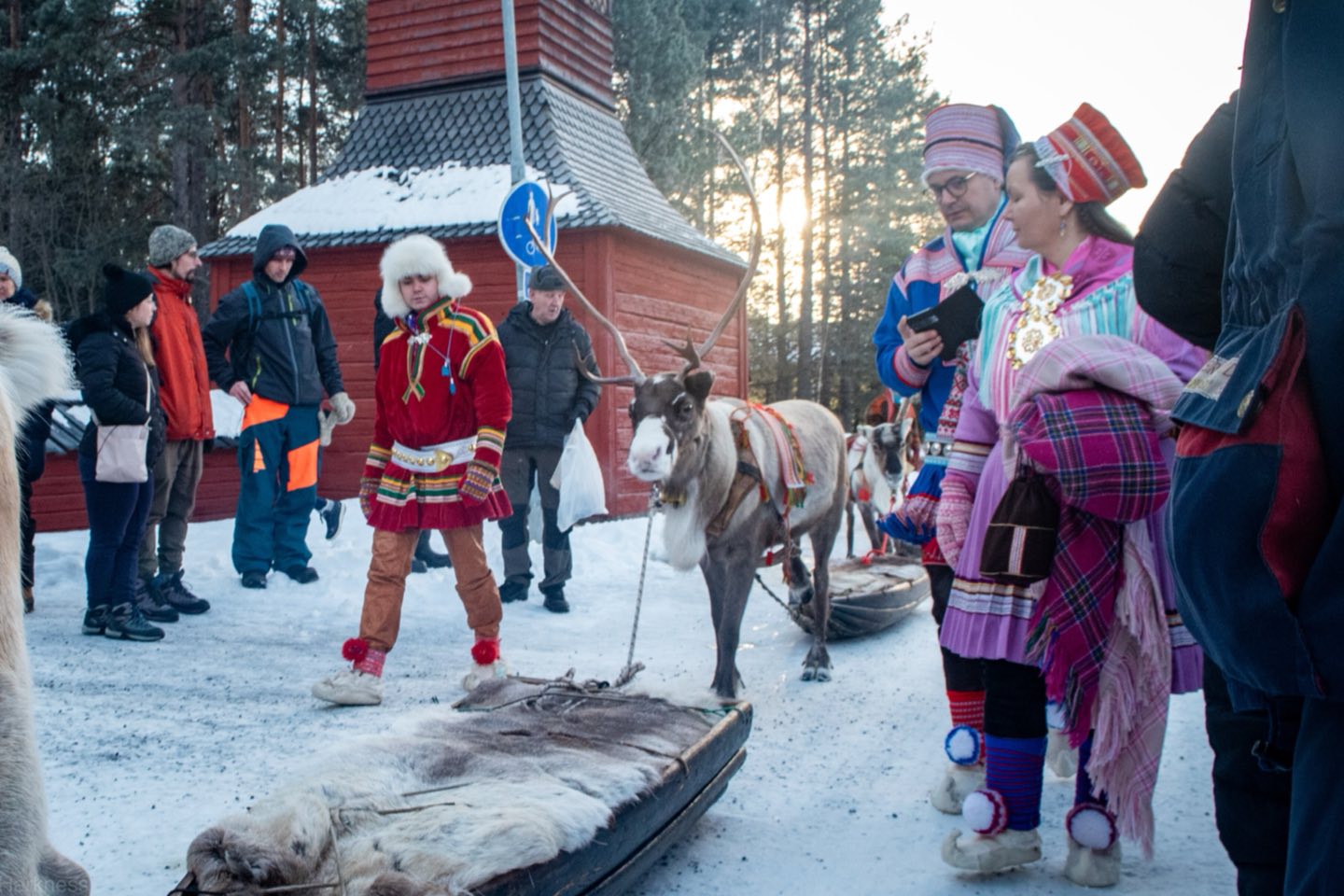
We split the week in two. Rovaniemi, on the Arctic Circle, has the airport, the restaurants and the easiest access to reindeer farms and husky kennels. Three hours north, Inari is the heart of Finnish Sápmi: a village on a vast frozen lake, home to the Sámi parliament and the excellent Siida museum, with darker skies and far fewer visitors.
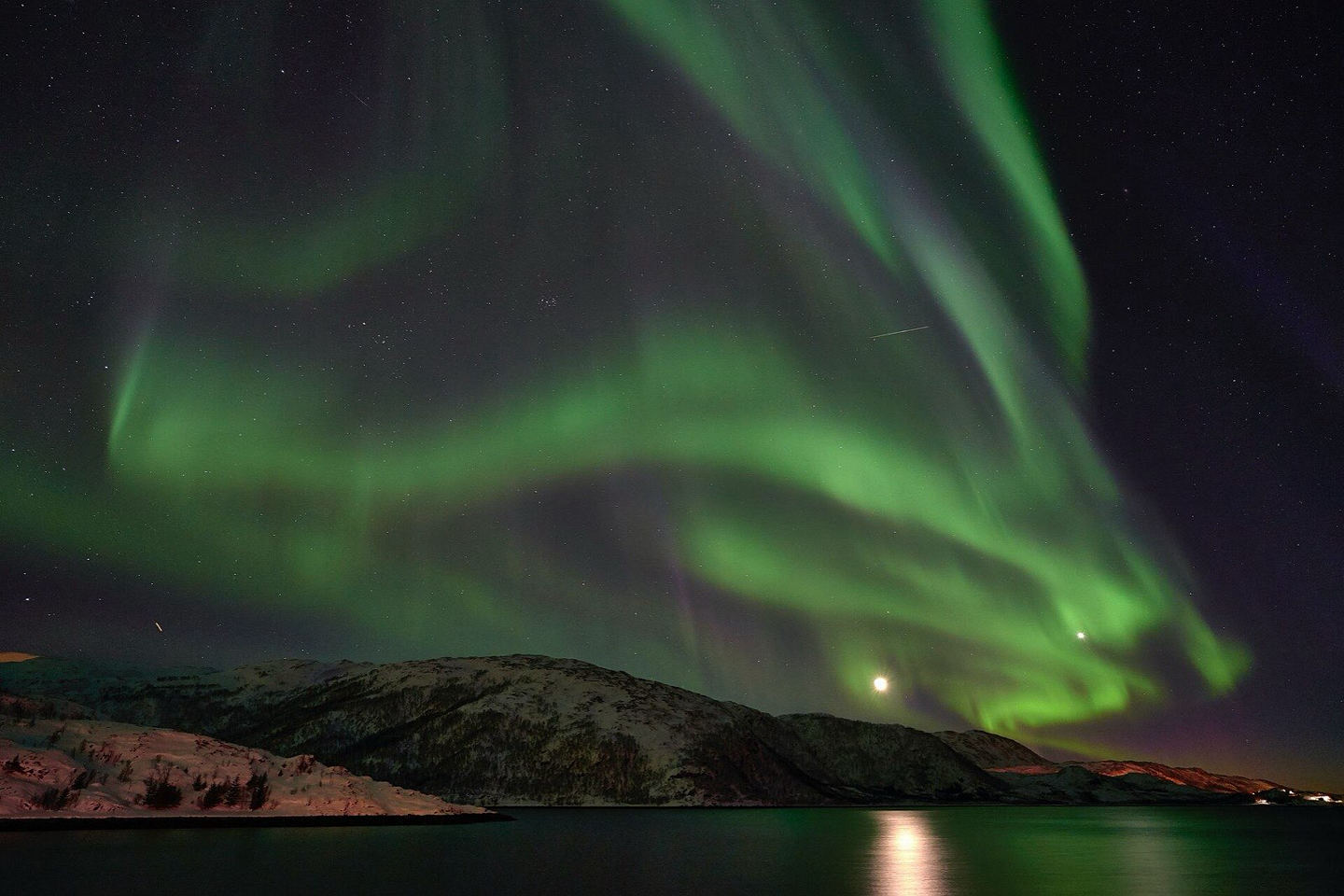
The northern lights are the reason most people come, and here the odds are genuinely good. Inari sits under the auroral oval, so on a clear night between late August and early April you have a strong chance of seeing them. The limiting factor is cloud, not solar activity: build in at least three evenings and keep them flexible.
The week
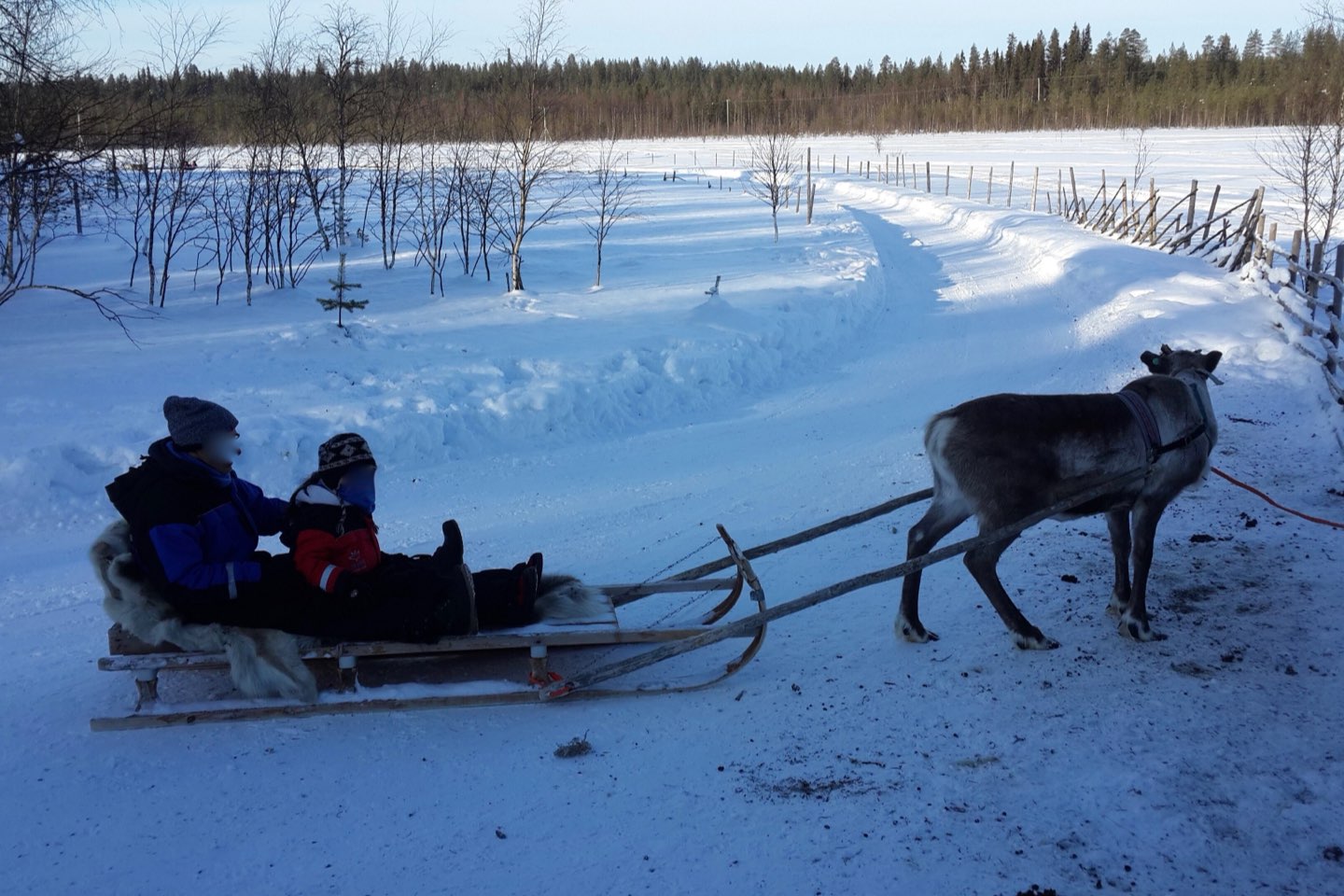
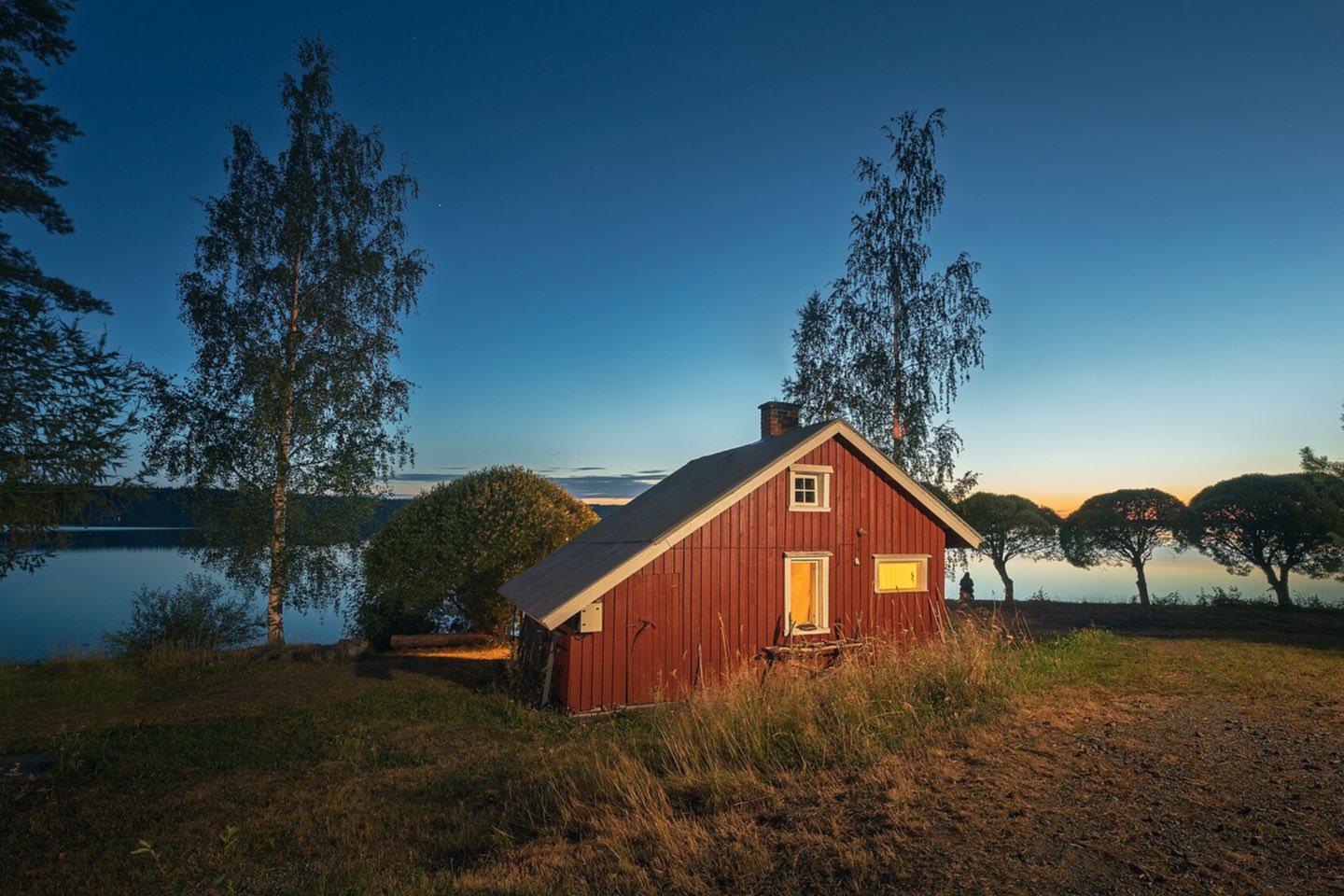
- Days 1 to 3, Rovaniemi: reindeer sleigh ride, husky safari, a lakeside smoke sauna
- Days 4 to 6, Inari: Siida museum, snowmobile aurora hunt, two nights in a glass-roofed cabin
- Day 7: back to Rovaniemi for the flight south
Lapland in January
Dressing for minus thirty
Northern lights, realistically
Aurora forecasts are useful a day or two ahead and almost worthless beyond that. Watch the cloud cover rather than the KP index, which measures geomagnetic activity: at Inari's latitude even a quiet night (KP 1 to 2) can bring arcs overhead if the sky is clear. Go out between nine and one, give your eyes twenty minutes away from screens, and look north first.
Phones now photograph the aurora better than the eye sees it. Use night mode, lean the phone against something solid and let it expose for three to ten seconds.
Avoid the full moon if you can; it washes out fainter displays. Our guides check the cloud maps at teatime and decide whether to drive inland, towards the fells, or north to the lake shore, where the sky is often clearer. If the first nights are cloudy, do not lose heart: in our groups more than eight in ten travellers on a week-long trip see the lights at least once.
About this story

Nora NorthwindAuthor
Northwind ToursPublisher
Reviews
Write a reviewAverage rating 5.0 out of 5
2 reviews- SASamuel Adeyemi5 out of 5 stars7 Oct
We saw the aurora on our second night exactly where this suggested. The advice on dressing in layers was worth its weight in gold.
- YSYuki Sato5 out of 5 stars24 Sept
The best Nordic planning resource I have found. Honest about costs and weather, and the food picks were superb.
Keep this story